The Blue Bird
1940
No user ratings available yet
Representation score: 2.4 out of 10
Representation Score
Fair
1976
GDirector
George Cukor
Runtime
95 minutes
Average Rating
No ratings yetNew Showbiz Analysis
George Cukor’s fantasy adaptation prioritizes allegorical storytelling and mythic wonder over social commentary. While the film provides a significant role to its young female leads, it remains rooted in a traditionalist framework that avoids disrupting established social or political hierarchies. The production leans heavily on a homogeneous, European-influenced aesthetic. It lacks the multi-layered complexity or intentional subversion of systemic norms necessary to engage with modern diversity standards. Ultimately, the film operates in a neutral, whimsical space. It focuses on the universal pursuit of happiness rather than exploring complex power dynamics or diverse lived identities.
Category Breakdown
The film follows a traditional fairytale structure focused on a metaphysical quest. There is no evidence of non-straight relationships or same-sex intimacy within the plot.
The story centers on female protagonists, granting them a significant role in driving the narrative. However, the narrative does not actively challenge or subvert traditional adult gender hierarchies.
The production utilizes an international ensemble of European ethnicities. The stylized, dreamlike setting lacks significant racial diversity or intentional disruption of historical norms.
The film functions as a secular moral fable emphasizing universal themes of joy. It avoids critiques of Western institutions, focusing instead on the pursuit of abstract ideals.
Illness serves as a traditional plot catalyst to motivate the quest. The film lacks a nuanced exploration of lived experience or neurodivergent representation.
Present on Screen
Limited or Absent
Official Synopsis
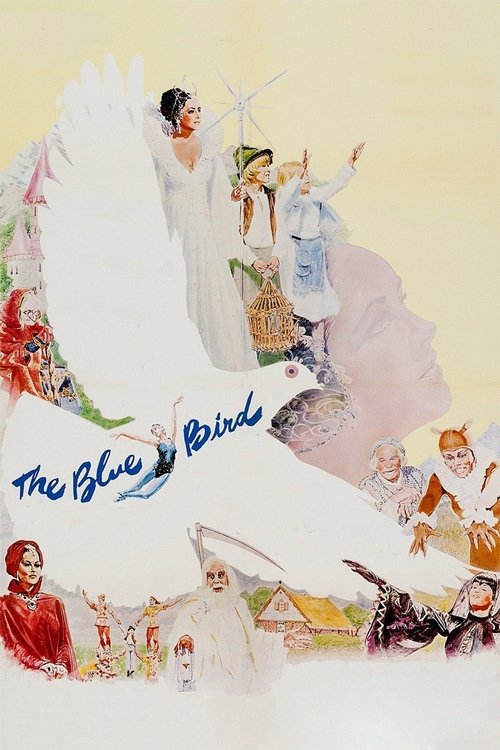
Peasant children Mytyl and Tyltyl are led on a magical quest for the fabulous Blue Bird of Happiness by the fairy Berylune. On their journey, they're accompanied by the anthropomorphized presences of a Dog, a Cat, Light, Fire, and Bread, among other entities.
No reviews yet. Be the first to share your thoughts on this movie!
Use the rating form above to leave a star rating and optional review.