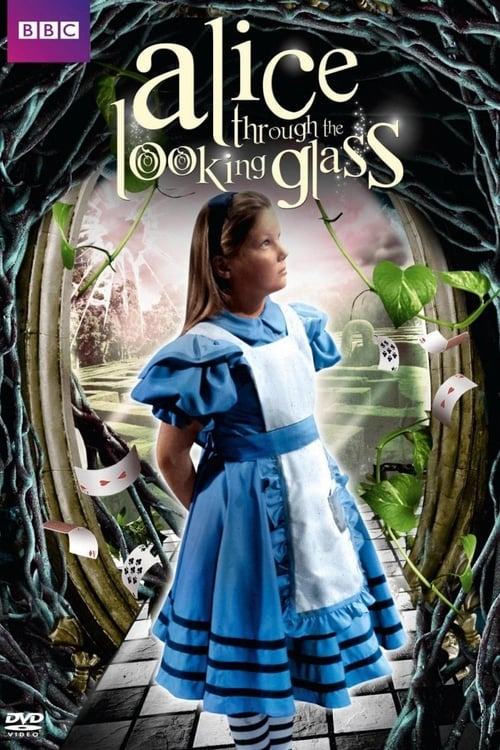
Alice Through the Looking Glass
1973
No user ratings available yet
Diversity score: 4.0 out of 10
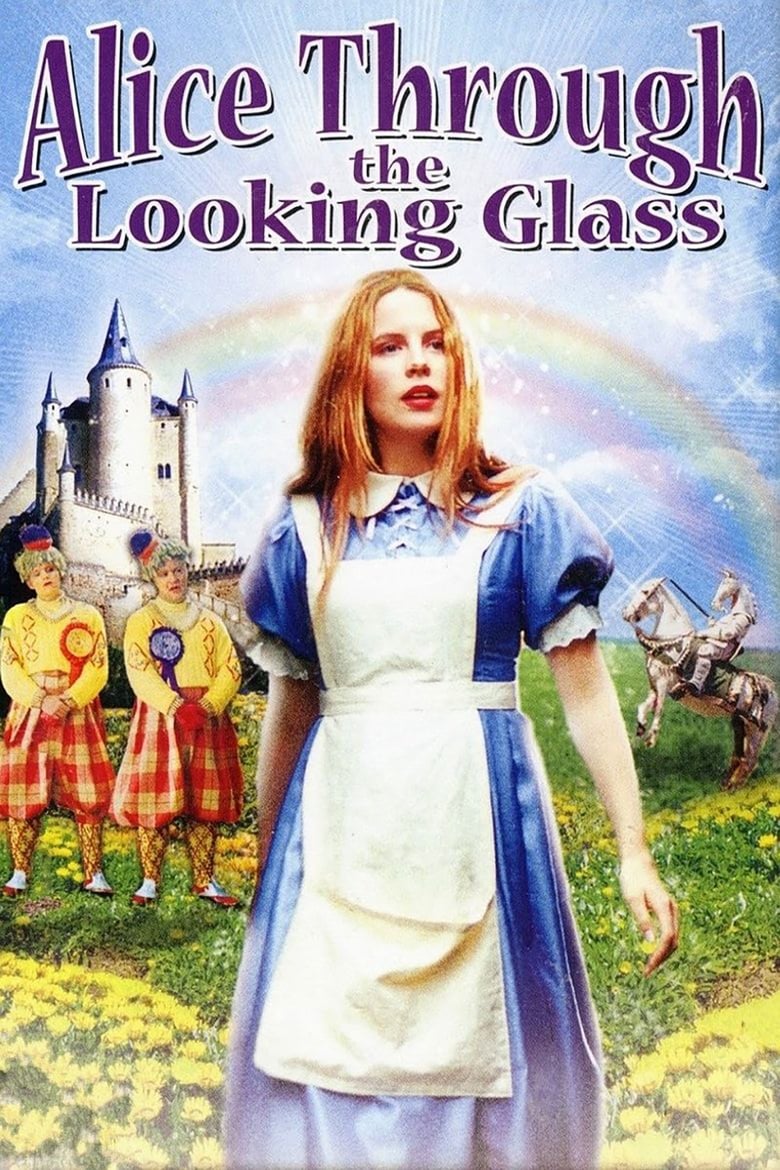
1998
Not RatedDirector
John Henderson
Runtime
83 minutes
Average Rating
No ratings yetSynopsis
A modern adaptation of the classic children's story 'Alice through the Looking Glass', which continued on from the popular 'Alice in Wonderland' story. This time Alice is played by the mother, who falls asleep while reading the the bedtime story to her daughter. Walking through the Looking Glass, Alice finds herself in Chessland, a magical and fun world. There she meets the Red and White Queens, as well as many other amusing friends on her journey across the chessboard countryside onto become a crowned queen.
Overall Score
Limited
Category Breakdown
LGBTQ+ Representation
The film focuses on a maternal bond between Alice and her daughter. It adheres to traditional heteronormative storytelling typical of late-90s family television.
Gender Representation
Alice serves as a strong central protagonist with significant agency. Her journey from observer to crowned queen allows her to occupy a position of high authority.
Racial & Ethnic Diversity
The production appears to function within a conventional demographic framework. It likely reflects the homogeneous casting standards of late-20th-century family media.
Religious & Cultural Diversity
The narrative utilizes a whimsical, escapist setting centered on childhood wonder. It lacks subversive or anti-establishment frameworks that would challenge Western institutions.
Disability Representation
There is no evidence of characters with disabilities being portrayed with agency. Eccentricities are treated as nonsensical traits rather than nuanced depictions of neurodivergence.
Strengths
Areas for Improvement
AI Analysis
Alice Through the Looking Glass (1998) functions as a traditionalist family fantasy. While it offers a central female protagonist with a clear arc of empowerment, the film remains rooted in the conventional storytelling of its era. The production prioritizes whimsical escapism over intersectional complexity. It lacks the diverse casting or systemic critique necessary to disrupt established social hierarchies, resulting in a mid-range representation score. Ultimately, the film operates within a standard demographic and social framework, focusing on classical discovery rather than modern social commentary.
1973

2012
1966
2019
2013
2009
1954
2006
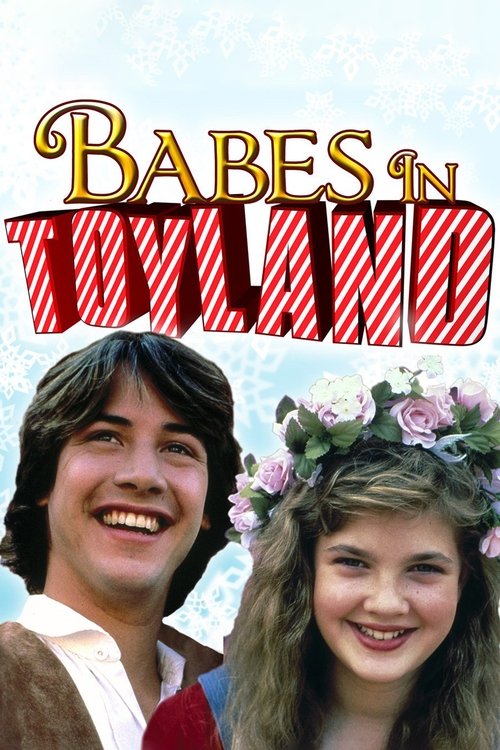
1986
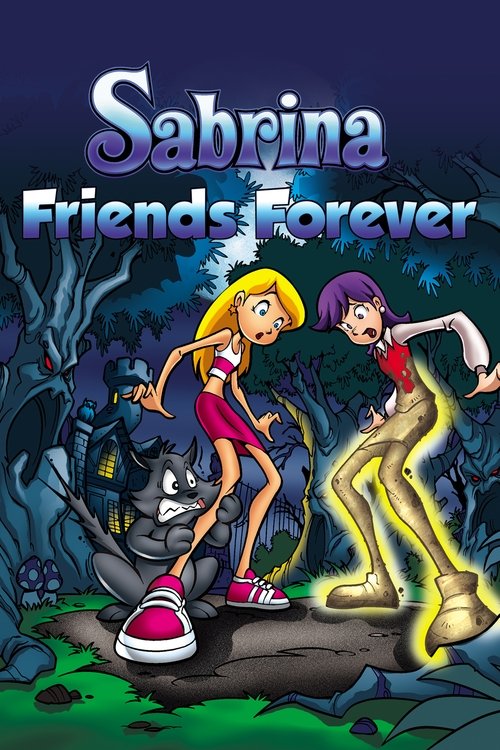
2002
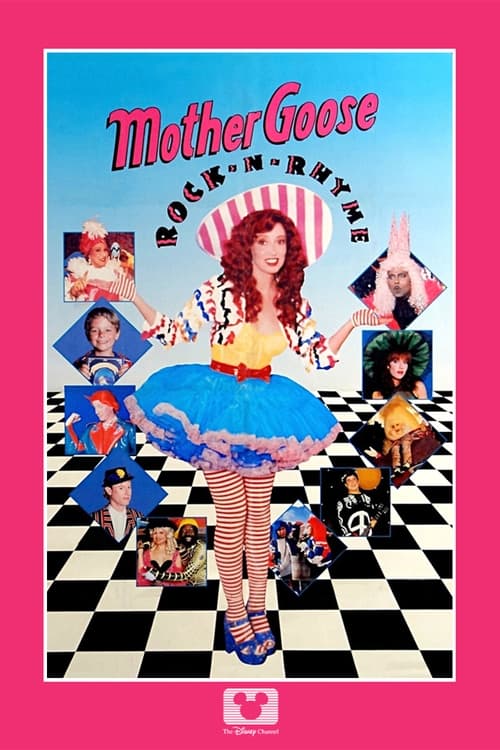
1990
No reviews yet. Be the first to share your thoughts on this movie!
Use the rating form above to leave a star rating and optional review.