
Mary and Gretel
1916
No user ratings available yet
Representation score: 2.4 out of 10
Representation Score
Limited
1966
GDirector
Gene Deitch
Runtime
52 minutes
Average Rating
No ratings yetNew Showbiz Analysis
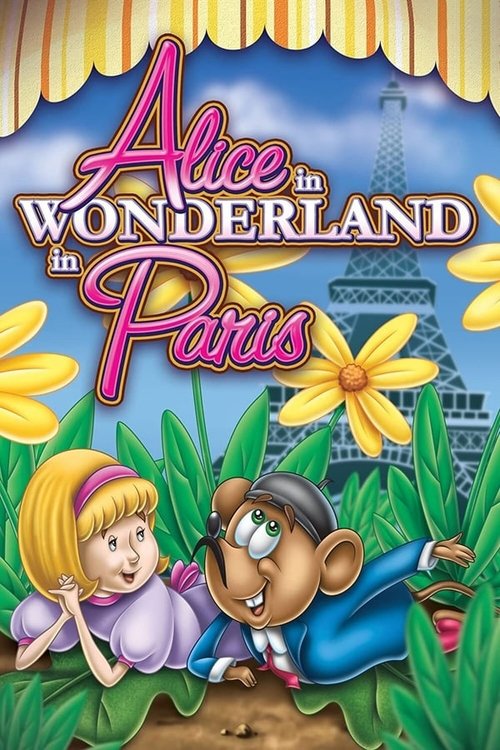
Alice of Wonderland in Paris serves as a traditional anthology of children's book adaptations. It functions primarily as a preservation of mid-century media rather than a tool for social critique. The film finds its strength in female-centric storytelling via the Madeline segments. However, these stories largely adhere to the established social norms of the era. While the Parisian setting and specific segments touch on ethnic themes, the work lacks multi-layered complexity. It remains a collection of whimsical, moralistic tales centered on Western literary traditions.
Category Breakdown
The film does not include any queer narratives or identities outside of heterosexual relationships. It focuses on traditional children's literature adaptations from 1966.
The anthology features female protagonists, especially in the Madeline segments. These stories provide females with significant roles in driving the narrative within a mid-century framework of childhood femininity.
The segment 'Madeline and the Gypsies' introduces ethnic themes. However, it is unclear if this offers cultural depth or relies on period-specific clichés.
The film reinforces Western storytelling traditions through classic literary adaptations. It operates within a conventional educational framework for mid-century family entertainment.
There is no indication of characters with visible or invisible disabilities. The narrative does not depict neurodivergence.
Present on Screen
Limited or Absent
Official Synopsis
Alice travels to Paris and hears five stories adapted from children's picture books in this anthology film. The books adapted include: "Anatole," "Madeline and the Bad Hat," "The Frowning Prince," "Many Moons," and "Madeline and the Gypsies."
1916

1977
1982
1951
2000
1993
1981
2002
No reviews yet. Be the first to share your thoughts on this movie!
Use the rating form above to leave a star rating and optional review.