Rasputin
1938
No user ratings available yet
Representation score: 4.6 out of 10
Representation Score
Fair
1955
Director
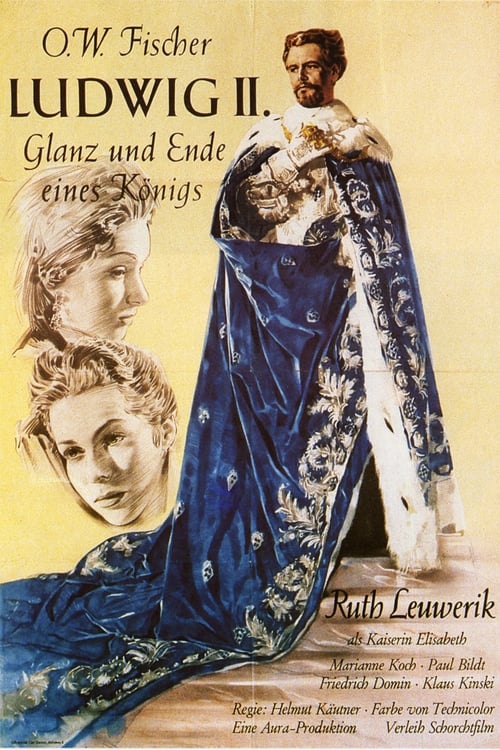
Helmut Käutner
Runtime
115 minutes
Average Rating
No ratings yetNew Showbiz Analysis
Helmut Käutner’s drama is a period-accurate historical piece that prioritizes psychological depth over demographic variety. It succeeds in using subtext to explore themes of isolation and the tension between the individual and the state. However, the film lacks modern multi-layered diversity. The cast is racially homogeneous, and the narrative remains centered on masculine political maneuvering, leaving little room for diverse gender or ethnic perspectives. Ultimately, the film functions as a sophisticated character study. It trades overt representation for a nuanced exploration of neurodivergence and non-conformity within a rigid social framework.
Category Breakdown
The film uses subtext and coded imagery to explore themes of queer longing. Although there are no explicit depictions due to the 1955 era constraints, the King's profound emotional isolation suggests a non-straight identity.
The narrative focuses almost entirely on male-dominated spheres such as monarchy and statecraft. Women are relegated to traditional roles, offering little challenge to established gender hierarchies.
The cast is overwhelmingly homogeneous, reflecting the historical Bavarian context. The film maintains a traditional European aesthetic without diverse ethnic representation.
The film critiques Western institutional structures by pitting artistic idealism against bureaucratic pragmatism. It frames the protagonist's struggle as a clash between individual vision and systemic rigidity.
The story centers on the King's psychological decline and mental instability. Instead of using illness as a villainous cliché, it treats his fragmentation as a tragic, central character element.
Present on Screen
Limited or Absent
Official Synopsis
Life and death of King Ludwig II of Bavaria.
1938

1954
1949
1973
1976

1937
1956

1994
No reviews yet. Be the first to share your thoughts on this movie!
Use the rating form above to leave a star rating and optional review.