
Allonsanfan
1974
No user ratings available yet
Representation score: 5.4 out of 10
Representation Score
Limited
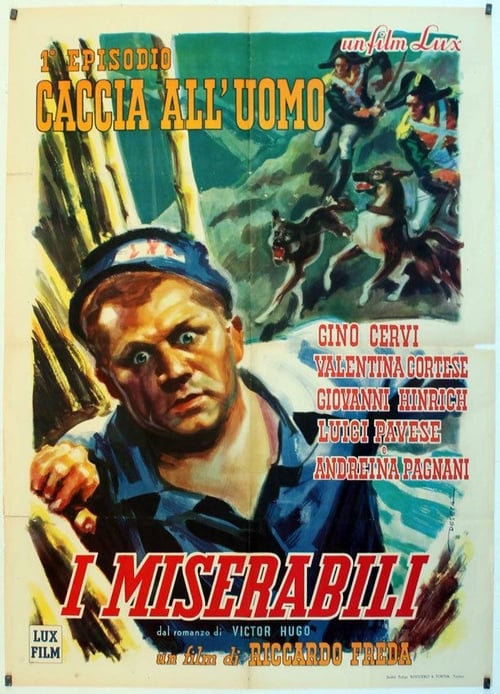
1948
Director
Riccardo Freda
Runtime
86 minutes
Average Rating
No ratings yetNew Showbiz Analysis
Riccardo Freda’s adaptation is a traditionalist period piece that emphasizes Victor Hugo’s classic literary themes over modern social commentary. While it provides a meaningful critique of class-based oppression and state institutions, the narrative lacks complexity in addressing intersecting identities. The film adheres to the rigid social and demographic norms of its era and setting, focusing on individual spiritual struggles and redemption. It prioritizes historical accuracy and moral storytelling over diverse representation. Ultimately, the production serves as a conventional dramatic exploration of 19th-century France, highlighting historical and moral themes rather than contemporary social issues.
Category Breakdown
The film follows traditional 19th-century romantic and social structures. There is no depiction of LGBTQ+ identities or same-sex relationships.
Female characters such as Fantine and Cosette play crucial roles in driving the emotional stakes. However, their influence is often tied to male protagonists, reinforcing traditional gender roles and domesticity.
The casting reflects the homogeneous demographic norms of 1948 Europe. It features a predominantly European cast aligned with the historical context of the source text.
The narrative critiques systemic inequality and class hierarchies through student uprisings. It remains rooted in a traditional moral framework centered around redemption.
The film does not significantly explore neurodivergence or physical disabilities. Character struggles focus on socioeconomic and moral issues rather than lived experiences of disability.
Present on Screen
Limited or Absent
Official Synopsis
In 19th century France, Jean Valjean, a man imprisoned for stealing bread, must flee a relentless policeman named Javert. The pursuit consumes both men's lives, and soon Valjean finds himself in the midst of the student revolutions in France.
1974

1954
1934
1998
1982
2019

1935
1978
No reviews yet. Be the first to share your thoughts on this movie!
Use the rating form above to leave a star rating and optional review.