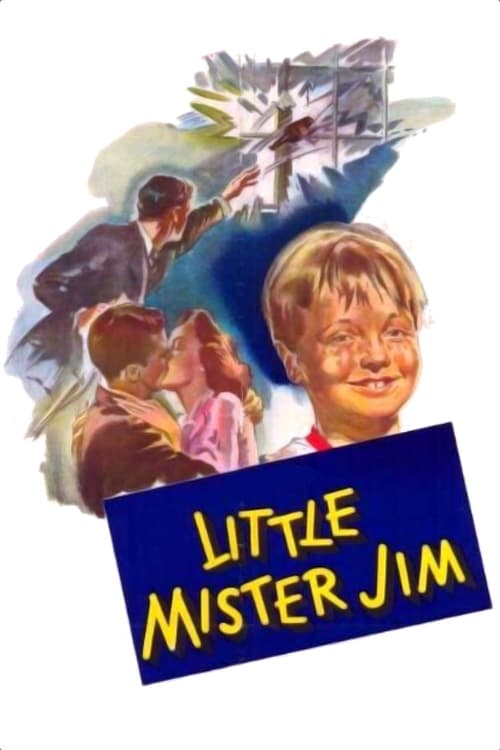
Little Mister Jim
1947
No user ratings available yet
Representation score: 4.4 out of 10

Representation Score
Fair
1945
PGDirector
Elia Kazan
Runtime
128 minutes
Average Rating
No ratings yetNew Showbiz Analysis
Elia Kazan’s direction employs social realism to explore the tension between individuals and systemic pressures. The film dismantles the idealized mid-century domesticity, offering a nuanced look at poverty and female empowerment. By emphasizing the intellectual aspirations of Francie and the practical strength of Katie Nolan, the film shifts away from the traditional 'competent male leader' cliché to highlight the realities of underrepresented socioeconomic classes.
Category Breakdown
The story centers on a traditional family structure with no representation of LGBTQ+ identities or critiques of heterosexuality.
The film highlights female resilience and strength, challenging traditional gender roles. The mother takes charge of the household while the father plays a supporting role.
Set in Brooklyn, the film captures the struggles of working-class immigrants. It avoids idealized portrayals by focusing on the hardships faced by less privileged groups.
The narrative critiques economic systems and the traditional family structure. It depicts a complex, often dysfunctional environment influenced by systemic failures and substance abuse.
Alcoholism affects the family dynamics, but the film does not provide a significant role in driving the story or focus to characters with disabilities.
Present on Screen
Limited or Absent
Official Synopsis
In Brooklyn circa 1900, the Nolans manage to enjoy life on pennies despite great poverty and Papa's alcoholism. We come to know these people well through big and little troubles: Aunt Sissy's scandalous succession of "husbands"; the removal of the one tree visible from their tenement; and young Francie's desire to transfer to a better school...if irresponsible Papa can get his act together.
1947
1970
1949

1967
1962
1989
1958
1937
No reviews yet. Be the first to share your thoughts on this movie!
Use the rating form above to leave a star rating and optional review.