
City of My Dreams
1976
No user ratings available yet
Representation score: 3.5 out of 10
Representation Score
Good
1949
Director
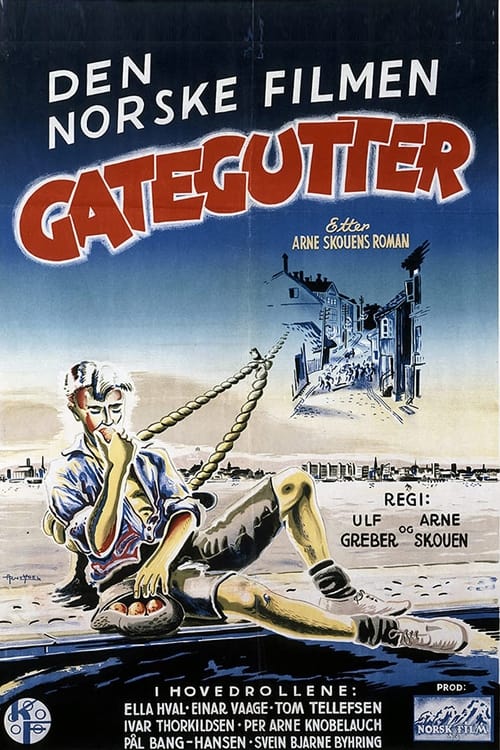
Ulf Greber, Arne Skouen
Runtime
77 minutes
Average Rating
No ratings yetNew Showbiz Analysis
Boys from the Streets is a social realist study of 1920s Oslo that questions the stability of mid-century domestic life. It finds strength in the resilience of underrepresented groups rather than traditional social structures. The film excels at critiquing economic systems and challenging the traditional breadwinner role. It offers a nuanced look at how poverty affects the family unit. However, the work lacks modern markers of diversity. It remains limited by the era's focus on a homogeneous working class and conventional family structures.
Category Breakdown
The film does not include clear representations of LGBTQ+ identities or queer narratives. It focuses on the socio-economic struggles of workers within the conventions of 1949.
Female characters gain prominence through the portrayal of wise, tired mothers. This depiction challenges traditional gender roles by highlighting the instability caused by male alcoholism and unemployment.
The cast appears to be made up of people from similar ethnic backgrounds, reflecting the 1949 production context in Oslo. The narrative emphasizes class dynamics over issues related to race or ethnicity.
The film critiques established social orders by showing dysfunctional family units and systemic capitalist failures. It highlights communal survival and street-level solidarity over state-sanctioned morality.
The film does not have specific character arcs focused on disability. However, it explores the physical and mental tolls of systemic hardships and alcoholism.
Present on Screen
Limited or Absent
Official Synopsis
The movie takes place on Oslo's east side sometime during the twenties. It depicts the workers' environment by traditional elements like unemployment, strike, poverty, alcoholism, absent fathers, wise and tired mothers, the dream of a better life and the friendship between the boys in the street.
1976
1945

1941
1970

1963
1946

1932
1937
No reviews yet. Be the first to share your thoughts on this movie!
Use the rating form above to leave a star rating and optional review.