
Le Beau Serge
1959
No user ratings available yet
Representation score: 1.2 out of 10
Representation Score
Fair
1967
NRDirector
Robert Bresson
Runtime
81 minutes
Average Rating
No ratings yetNew Showbiz Analysis
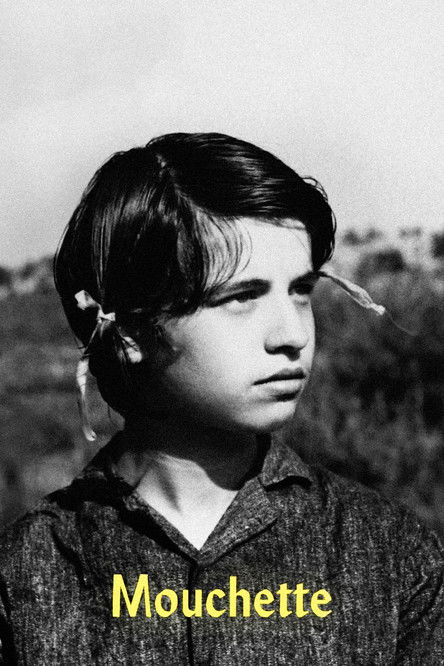
Mouchette is a stark, minimalist study of systemic failure rather than a survey of diverse demographics. It excels at deconstructing traditional power structures, specifically by stripping masculine authority of its prestige and critiquing the sanctity of the nuclear family. However, the film is limited by its homogeneous setting. The lack of racial, ethnic, or LGBTQ+ representation keeps the social scope narrow, focusing strictly on a singular, rural French experience. Ultimately, the film's value lies in its progressive narrative structure. It replaces comforting moral resolutions with a sophisticated exploration of social alienation and the cyclical nature of misery.
Category Breakdown
The film does not include any LGBTQ+ characters or non-straight relationships. The story focuses solely on the protagonist's isolation within a traditional social framework.
The narrative centers on the psychological depth of a young female protagonist. It challenges traditional gender hierarchies by portraying masculinity through incompetence, alcoholism, and predatory behavior.
Set in rural France, the film depicts a homogeneous social environment. There is no significant presence of non-white or non-Anglo-Saxon characters.
The film critiques Western institutions, portraying the nuclear family and religious structures as sites of neglect and spiritual emptiness. It explores systemic failures to protect those who are underrepresented.
There is no explicit focus on physical or neurodivergent disabilities. However, the film provides a nuanced portrayal of psychological trauma and profound existential despair.
Present on Screen
Limited or Absent
Official Synopsis
A young girl living in the French countryside suffers constant indignities at the hand of alcoholism and her fellow man.
1959
1961
1966
1970
1999

1945
1951
1993
No reviews yet. Be the first to share your thoughts on this movie!
Use the rating form above to leave a star rating and optional review.