
A Madder Red
2021
No user ratings available yet
Representation score: 5.3 out of 10
Representation Score
Good
2020
Director
Tatsushi Ōmori
Runtime
127 minutes
Average Rating
No ratings yetNew Showbiz Analysis
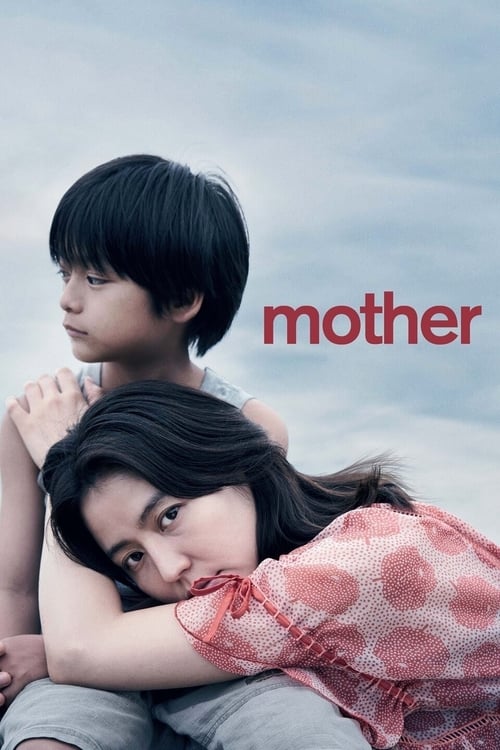
MOTHER is a somber work of social realism that prioritizes psychological depth over demographic variety. It succeeds in dismantling traditional archetypes, particularly the concept of the nurturing mother, by presenting a cycle of neglect and instability. While the film lacks characters who reflect more than one aspect of diversity regarding race and sexuality, it offers a progressive critique of social institutions. It avoids easy moral resolutions, choosing instead to explore the fragility of the family unit and the burden of parenthood. Ultimately, the film's value lies in its empathetic, non-judgmental approach to characters living outside conventional moral frameworks, even as it remains culturally specific and demographically narrow.
Category Breakdown
The film lacks prominent LGBTQ+ characters or stories that go beyond the assumption that everyone is straight or cisgender. The story focuses strictly on a dysfunctional domestic unit without engaging with queer identities.
Akiko subverts the nurturing mother cliché by acting as a source of chaos rather than stability. This forces the child into an unexpected role of emotional caretaking.
The cast is culturally homogeneous, reflecting a specific Japanese socioeconomic setting. The film explores rural poverty but does not include diverse ethnic identities.
The narrative deconstructs the ideal family by framing maternal negligence through trauma rather than villainy. It critiques social institutions and the traditional family unit.
The film explores invisible mental health struggles through the mother's instability. However, these elements drive plot tension rather than providing characters with real control over their actions.
Present on Screen
Limited or Absent
Official Synopsis
Shuhei is leading a tough life. His alcoholic mother Akiko can only hook up with bad guys and order Shuhei to go get money from his disapproving grandparents instead of going to school. Except raising the little half-sister, his rock-bottom life seems to have no end.
2021
1970

2014

1999
2022
2002

2023

1977
No reviews yet. Be the first to share your thoughts on this movie!
Use the rating form above to leave a star rating and optional review.