
Kuhle Wampe or Who Owns the World?
1932
No user ratings available yet
Representation score: 5.5 out of 10
Representation Score
Fair
1941
ApprovedDirector
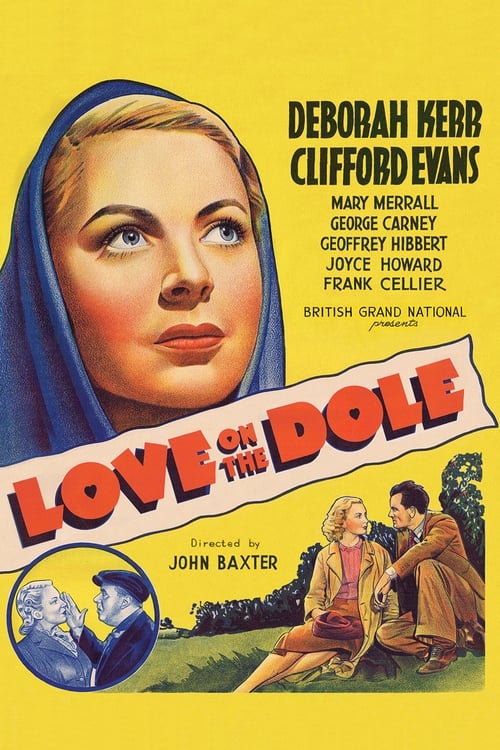
John Baxter
Runtime
94 minutes
Average Rating
No ratings yetNew Showbiz Analysis
Love on the Dole is a powerful social study that prioritizes systemic critique over demographic variety. It succeeds by challenging traditional moral hierarchies and portraying the grit of Northern English life. While the film lacks representation of diverse races and sexualities, its cultural depth is significant. It uses realism to expose the failures of the state and the inadequacy of social safety nets. Ultimately, the film's strength lies in its refusal to provide escapism, opting instead to highlight the psychological and physical toll of systemic economic oppression.
Category Breakdown
The film focuses exclusively on the traditional nuclear family and working-class survival. There is no presence of LGBTQ+ identities or queer subtext.
Women play a significant role in managing household survival, granting them substantial ability to act. The film also explores the psychological erosion experienced by men who cannot fulfill provider roles.
The cast is homogeneous, reflecting the specific demographic realities of 1930s Lancashire. It does not feature a diverse ethnic cast or characters from different backgrounds.
The narrative offers a progressive critique of capitalism, framing economic systems as antagonists. It reframes survival-based actions as necessary rather than criminal.
Chronic malnutrition and poverty-induced trauma serve as central character elements. However, these are used to illustrate socioeconomic hardship rather than to provide specific character's ability to drive the story.
Present on Screen
Limited or Absent
Official Synopsis
Depressing and realistic family drama about the struggles of unemployment and poverty in 1930s Lancashire. The 20-year-old Kerr gives an emotionally charged performance as Hardcastle, one of the cotton workers trying to make life better. Interlaced with humour that brings a ray of sunshine to the pervasive bleakness, this remains a powerful social study of life between the wars, and was a rare problem picture to come out of Britain at the time.
1932
1945
1949
1983
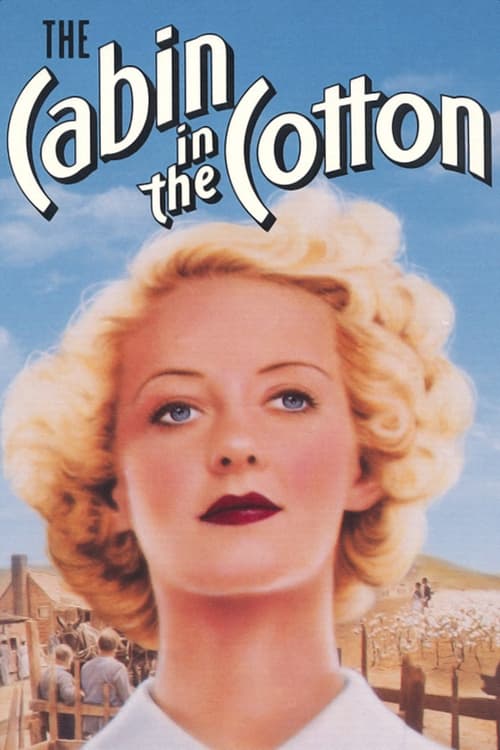
1932
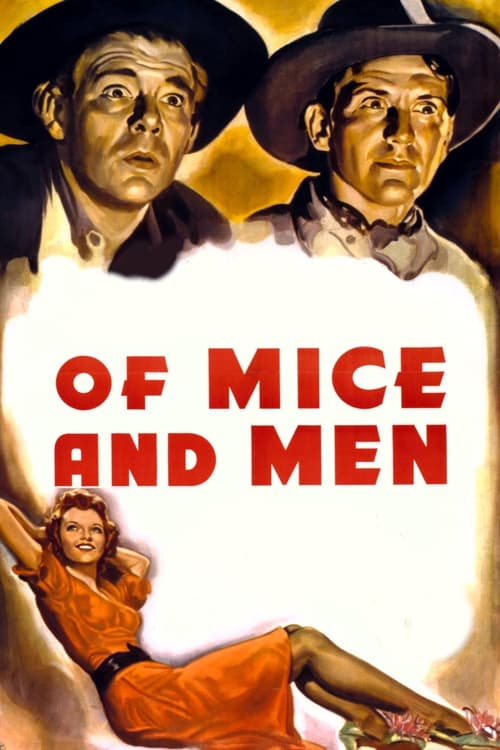
1939
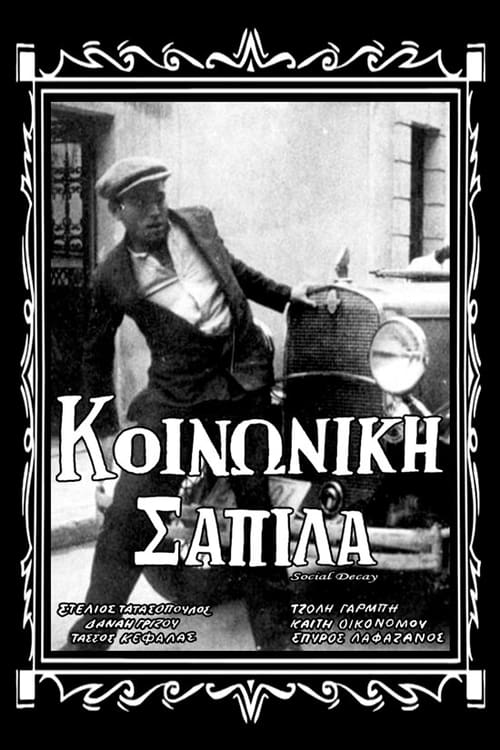
1932

1961
No reviews yet. Be the first to share your thoughts on this movie!
Use the rating form above to leave a star rating and optional review.