Our Daily Bread
1949
No user ratings available yet
Diversity score: 4.6 out of 10
1932
Director
Slatan Dudow
Runtime
74 minutes
Average Rating
No ratings yetSynopsis
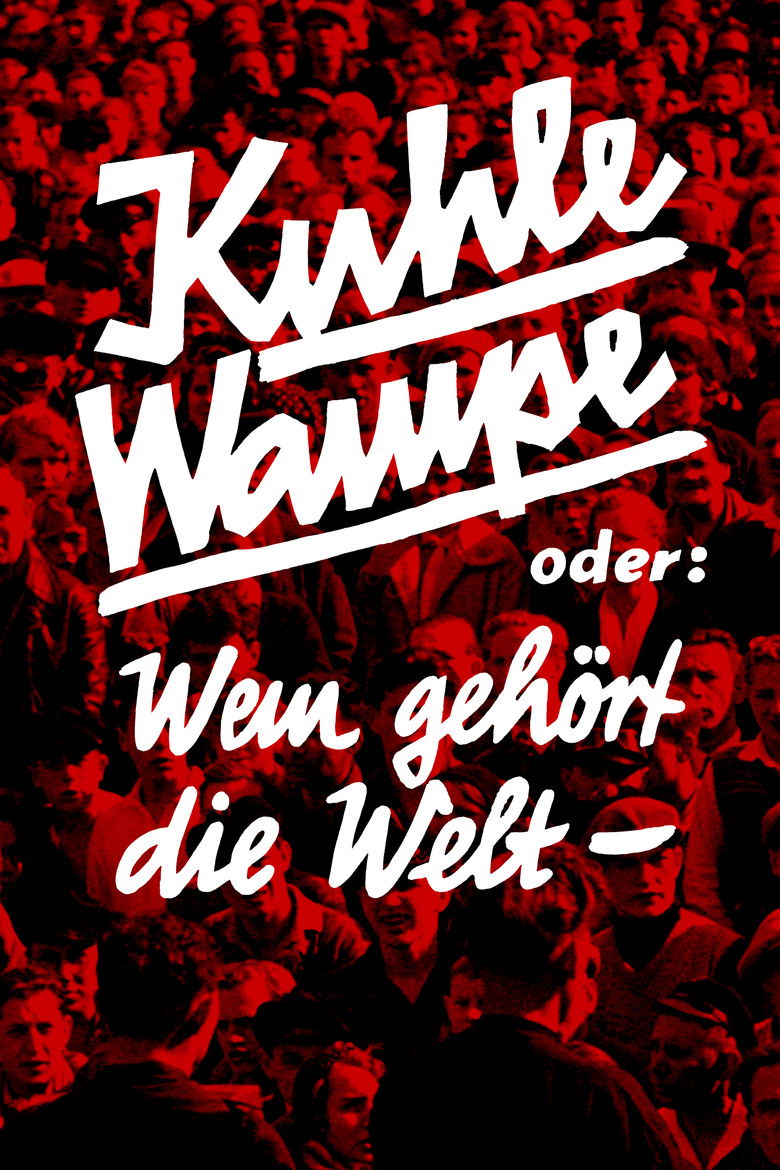
Kuhle Wampe takes place in early-1930s Berlin. The film begins with a montage of newspaper headlines describing steadily-rising unemployment figures. This is followed by scenes of a young man looking for work in the city and the family discussing the unpaid back rent. The young man, brother of the protagonist Anni, removes his wristwatch and throws himself from a window out of despair. Shortly thereafter his family is evicted from their apartment. Now homeless, the family moves into a garden colony of sorts with the name “Kuhle Wampe.”
Overall Score
Fair
Category Breakdown
LGBTQ+ Representation
The film focuses strictly on the material conditions of the proletariat. There is no presence of LGBTQ+ characters or non-heteronormative themes within this didactic framework.
Gender Representation
Women are portrayed as active participants in socio-political struggles rather than passive domestic figures. The narrative links household instability to systemic failure, granting women agency within the labor movement.
Racial & Ethnic Diversity
The scope centers on the German working class during the Great Depression. It lacks a multi-ethnic cast, reflecting the specific historical and geographic context of 1930s Berlin.
Religious & Cultural Diversity
This anti-capitalist narrative critiques Western economic institutions and prioritizes secular, materialist perspectives. It frames political agitation and strikes as legitimate, empowering responses to systemic instability.
Disability Representation
The film depicts the psychological toll of poverty through a character's suicide. However, this serves as a device to illustrate unemployment rather than exploring specific disabilities or neurodivergence.
Strengths
Areas for Improvement
AI Analysis
Kuhle Wampe is a landmark of social cinema that prioritizes class-based identity over traditional demographic representation. It excels in its cultural critique, offering a powerful deconstruction of bourgeois social structures and capitalist hegemony. While the film lacks LGBTQ+ and multi-ethnic diversity, it subverts traditional gender hierarchies by positioning women as political actors. The narrative uses individual suffering, such as suicide, to highlight the broader systemic devastation caused by economic collapse. Ultimately, the film's strength lies in its transformative social message. It trades individualist identity for a collective, materialist perspective that challenges the existing power structures of the Weimar Republic.
1949
1925
1941
1929
1945
1943
1926
1913

1996

1927
1933
1987
No reviews yet. Be the first to share your thoughts on this movie!
Use the rating form above to leave a star rating and optional review.