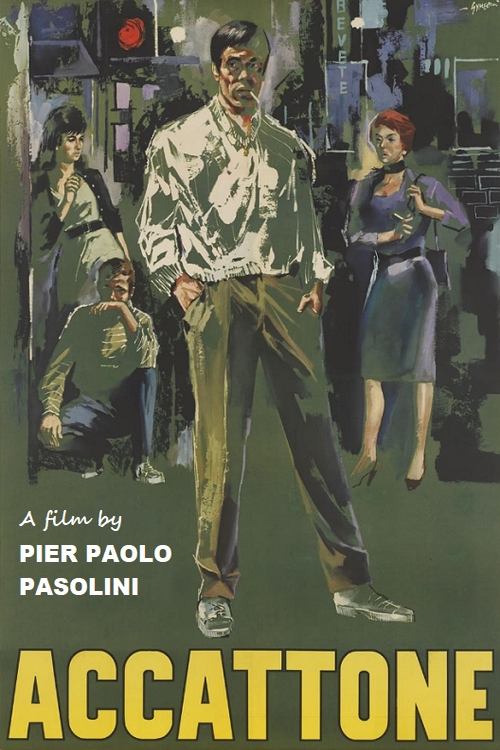
Accattone
1961
No user ratings available yet
Representation score: 3.5 out of 10
Representation Score
Fair
1967
NRDirector
Ken Loach
Runtime
101 minutes
Average Rating
No ratings yetNew Showbiz Analysis
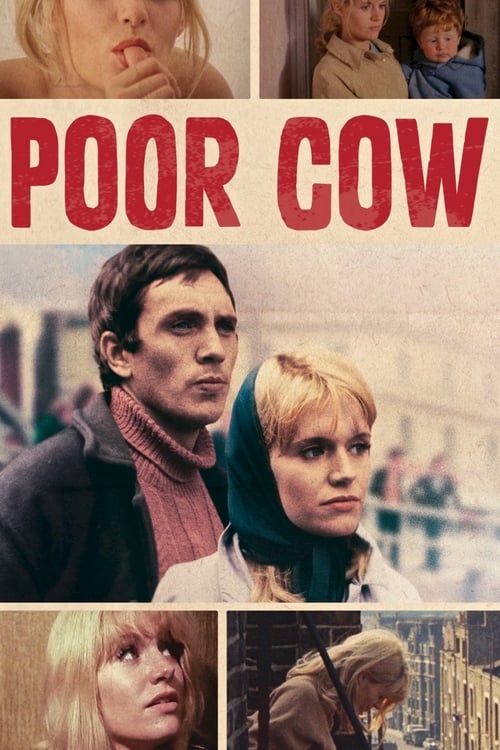
Ken Loach’s *Poor Cow* is a landmark of British Social Realism that prioritizes systemic critique over conventional storytelling. It stands out by subverting traditional gender hierarchies and moralistic narratives, focusing on a working-class woman's struggle against economic instability. However, the film is limited by its demographic homogeneity. Reflecting the specific historical and geographic setting of 1960s Northern England, it lacks racial and LGBTQ+ diversity. Ultimately, the film's strength lies in its radical critique of class structures and the failure of social safety nets, even though it remains narrow in its representation of identity.
Category Breakdown
The film does not include any LGBTQ+ characters or themes. It focuses solely on the protagonist's heterosexual relationships and the socioeconomic pressures they face.
The film centers around a female perspective within a patriarchal framework, challenging traditional hierarchies. It delves into the protagonist's struggle for autonomy amid reproductive labor and precarious employment.
The cast is demographically uniform, reflecting the historical context of a 1960s Northern English industrial town. It lacks the diverse racial representation seen in contemporary cinema.
The narrative provides a sophisticated critique of capitalism and dehumanizing industrial labor. It portrays the protagonist's choices as reactions to systemic deprivation rather than moral failings.
No characters are defined by visible or neurodivergent disabilities. The film instead addresses the mental strain of social isolation and the hidden burden of systemic poverty.
Present on Screen
Limited or Absent
Official Synopsis
Joy lives a life filled with bad choices. At a young age, she marries and has a child–with an abusive thief who quickly ends up incarcerated. Left alone, she takes up with the guy's mate, another thief, who seems to give her some happiness but who also ends up locked up. She then takes up with a series of seedy types who offer nothing but momentary pleasure–if that.
1961
1970
1994

1962
1971
1961

1970
1989
No reviews yet. Be the first to share your thoughts on this movie!
Use the rating form above to leave a star rating and optional review.