Lady Be Good
1941
No user ratings available yet
Representation score: 0.4 out of 10
Representation Score
Minimal
1938
NRDirector
George Archainbaud
Runtime
75 minutes
Average Rating
No ratings yetNew Showbiz Analysis
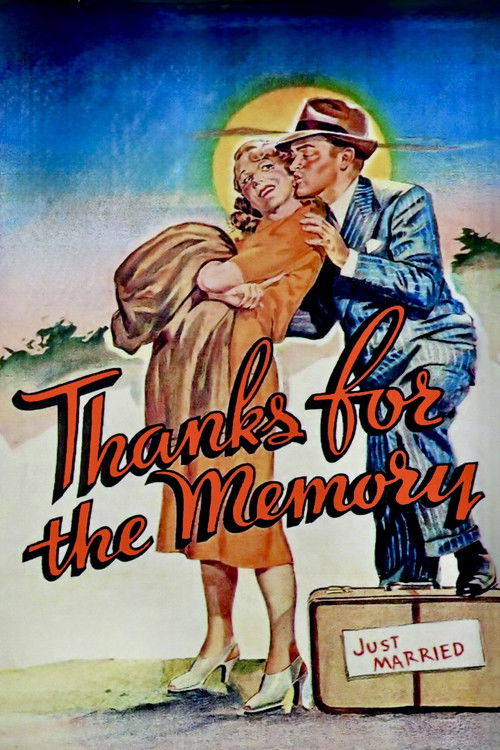
Thanks for the Memory is a quintessential product of the 1938 studio system, functioning as a standard romantic comedy. It prioritizes traditional social, gender, and racial hierarchies, offering little disruption of the era's prevailing cultural norms. The narrative centers on white, high-society life, reinforcing a homogeneous view of the urban upper class. While the premise of a male character playing 'house husband' offers a slight deviation from the provider dynamic, the film ultimately reinforces traditional masculine expectations through its central conflict. Overall, the film lacks representation for LGBTQ+ identities, diverse racial backgrounds, or individuals with disabilities, serving instead to uphold the status quo of its time.
Category Breakdown
The film strictly follows the assumption that everyone is straight or cisgender. There is no depiction of non-traditional gender identities or same-sex relationships.
The protagonist briefly adopts a 'house husband' role, but the tension arises from his failure to meet traditional masculine standards. Power dynamics follow 1930s social expectations.
The casting focuses on a white, upper-socioeconomic urban environment. It lacks significant presence of characters of color or diverse backgrounds.
The story operates within traditional Western social decorum. It reinforces established socioeconomic hierarchies and presents a stable, conventional view of mid-century American life.
There is no focus on visible or invisible disabilities in the film.
Present on Screen
Limited or Absent
Official Synopsis
Steve Merrick is an out of work writer who stays home and plays house husband while his wife goes to work for her former fiancé and Merrick's publisher who is still carrying a torch for her.
1941

1933
1933
1937
1936
1935
1930

1953
No reviews yet. Be the first to share your thoughts on this movie!
Use the rating form above to leave a star rating and optional review.