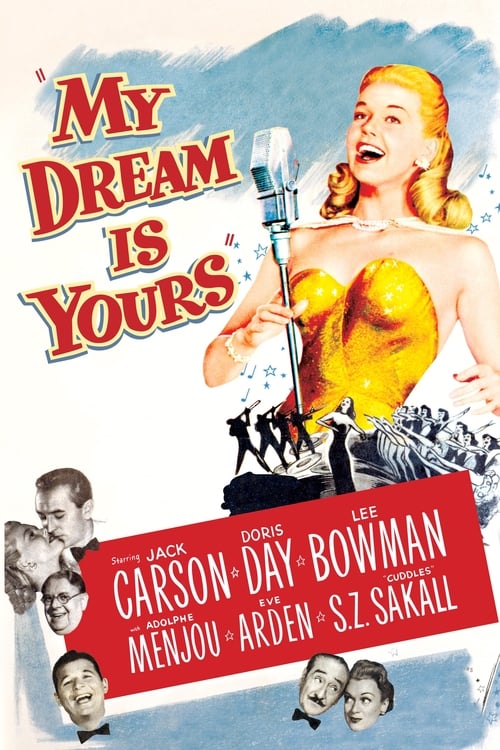
My Dream Is Yours
1949
No user ratings available yet
Representation score: 2.1 out of 10
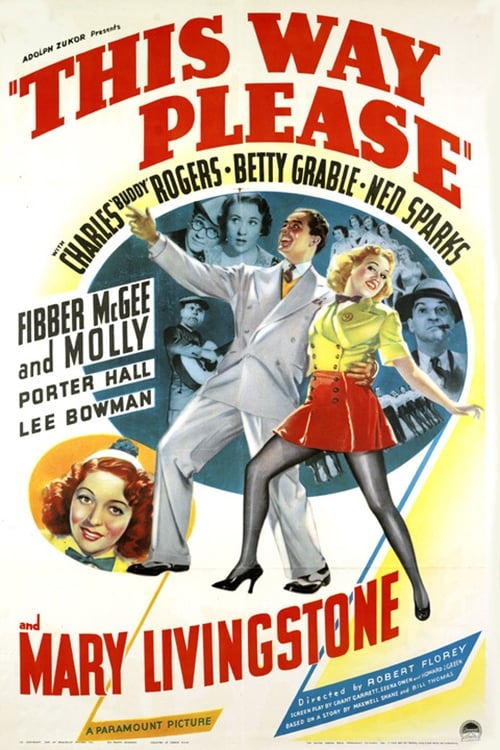
Representation Score
Minimal
1937
ApprovedDirector
Robert Florey
Runtime
75 minutes
Average Rating
No ratings yetNew Showbiz Analysis
This 1937 musical comedy adheres strictly to the conventional social hierarchies of the early studio era. While the female lead achieves professional success as a singer, her journey is ultimately shaped by the romantic desires and interference of a male counterpart. The film lacks complexity in representing multiple aspects of identity, relying instead on standard mid-century formulas. It prioritizes romantic resolution and social ambition over any meaningful challenge to the era's prevailing norms. Ultimately, the production serves as a typical period romance that upholds traditional romantic and social structures rather than questioning them.
Category Breakdown
The film follows a traditional romantic storyline between a male idol and a female usher. There are no representations of non-straight or non-cisgender identities, nor any depiction of same-sex relationships.
A male mentor helps the female protagonist advance her career. However, the plot revolves around the male lead's pursuit of romance and his efforts to interfere with her engagement.
The film reflects the homogeneous casting practices typical of 1937 Hollywood. There are no diverse characters or non-white actors in the story.
Themes center on romantic pursuit and social advancement through talent. The narrative aligns with traditional Western values without questioning institutional or religious structures.
There is no representation of visible or invisible disabilities in the story. No characters with disabilities are mentioned.
Present on Screen
Limited or Absent
Official Synopsis
A famous singer and matinée idol helps a pretty young theater usher in her dreams of becoming a singer, but when her career begins to take off and she becomes engaged to a wealthy young man, he realizes he's fallen for her and plots to break up her impending marriage.
1949

1937

1930

1935
1943

1933

1934

1932
No reviews yet. Be the first to share your thoughts on this movie!
Use the rating form above to leave a star rating and optional review.