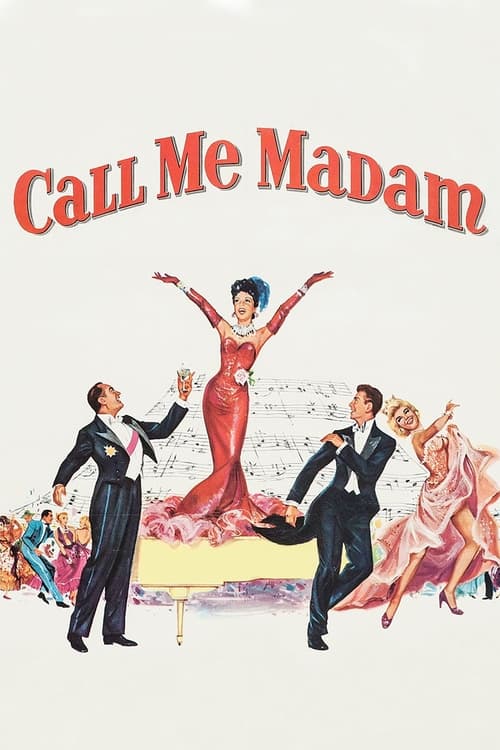
Call Me Madam
1953
No user ratings available yet
Representation score: 1.4 out of 10

Representation Score
Minimal
1951
ApprovedDirector
Walter Lang
Runtime
89 minutes
Average Rating
No ratings yetNew Showbiz Analysis
On the Riviera is a typical product of the 1951 studio system, emphasizing polished escapism over social disruption. The film focuses almost exclusively on affluent, Western European experiences. While the musical numbers add energy, the narrative structure reinforces mid-century norms. The film lacks the intention to represent diverse identities, instead focusing on traditional romantic and social structures. Ultimately, the film maintains the status quo of its era rather than challenging broader power dynamics or cultural boundaries.
Category Breakdown
The film relies on traditional heterosexual relationships and misunderstandings. There are no representations of non-straight or non-cisgender identities.
Female characters mainly serve as romantic interests or charming figures in musical numbers. The story follows mid-century comedic stereotypes without questioning traditional gender roles.
The cast is mostly white and Western European, reflecting the era's focus on wealthy leisure activities. The Mediterranean setting highlights Western tourism rather than showcasing cultural diversity.
This escapist musical promotes a vision of luxurious Western living. It upholds traditional social orders through a light-hearted, non-confrontational tone.
The main plot centers around able-bodied performers and travelers. There are no prominent characters with physical or cognitive disabilities.
Present on Screen
Limited or Absent
Official Synopsis
In this fast-paced remake of the Maurice Chevalier vehicle Folies Bergère, talented Danny Kaye plays both a performer and a heroic French military pilot.
1953
1937
1951
1951
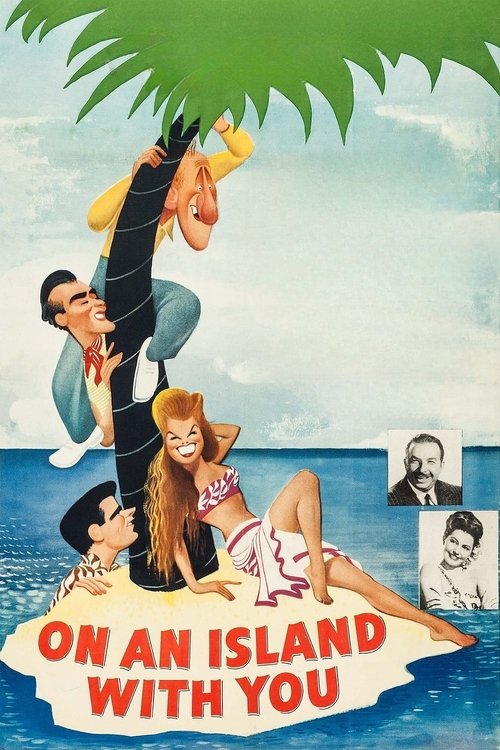
1948

1953

1960
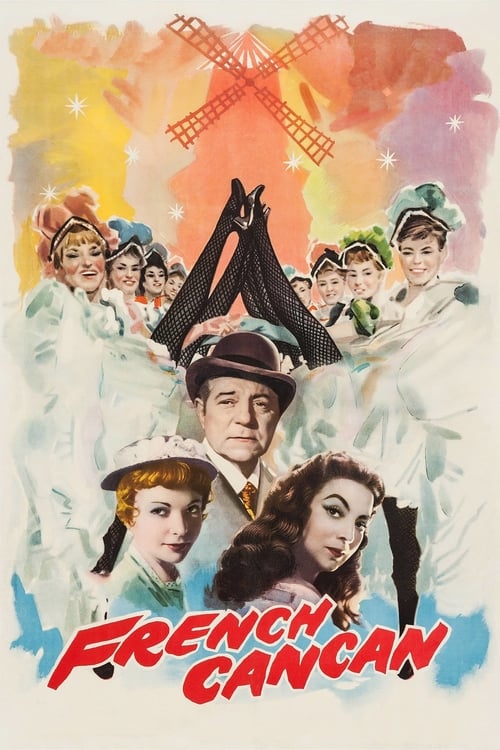
1955
No reviews yet. Be the first to share your thoughts on this movie!
Use the rating form above to leave a star rating and optional review.