No dejes la puerta abierta
1933
No user ratings available yet
Representation score: 4.2 out of 10

Representation Score
Limited
1935
PassedDirector
William Nigh
Runtime
73 minutes
Average Rating
No ratings yetNew Showbiz Analysis
The Old Homestead is a product of the 1930s studio system, prioritizing mainstream appeal and conventional narrative structures. As a musical comedy centered on a rural-urban encounter, it operates within the established social norms of its era. The film lacks intentionality regarding disrupting cultural hierarchies. It relies on traditional storytelling clichés that favor homogeneity and standard social roles over nuanced representation. Ultimately, the work serves as a reflection of mid-1930s cinematic conventions, focusing on a talent scout's discovery within a traditional community setting.
Category Breakdown
The film follows traditional romantic structures typical of 1930s musical comedies and does not include non-cisgender identities or critiques of traditional social norms.
Female characters likely play traditional domestic or romantic roles. The narrative seems to follow conventional gender hierarchies without challenging masculine authority.
The rural setting suggests a homogeneous depiction of life. There is no indication of diverse casting or non-white protagonists driving the story.
The plot focuses on traditional American values and local community celebrations. It reinforces established Western institutions like family and community structures.
The film lacks characters with visible or invisible disabilities. During this era, such representation was often absent or relegated to peripheral roles.
Present on Screen
Limited or Absent
Official Synopsis
A New York radio talent scout turns up at a barn dance.
1933

1933
1936

1932
1930
1935
1935
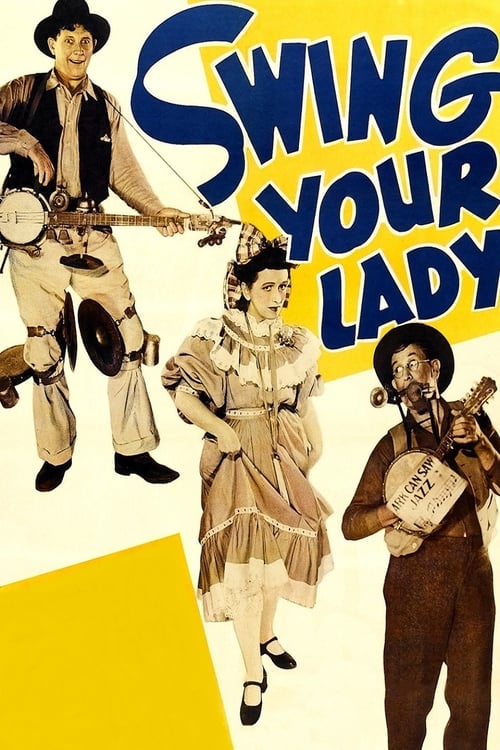
1938
No reviews yet. Be the first to share your thoughts on this movie!
Use the rating form above to leave a star rating and optional review.