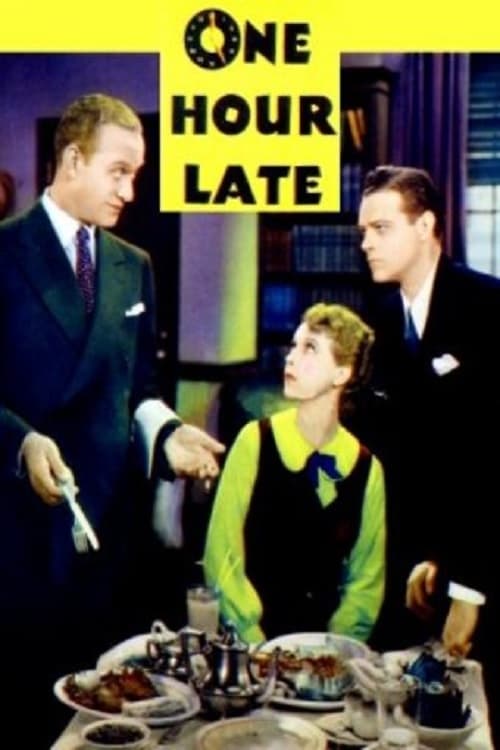
One Hour Late
1934
No user ratings available yet
Representation score: 1.1 out of 10
Representation Score
Minimal
1935
PassedDirector
Ray Enright
Runtime
66 minutes
Average Rating
No ratings yetNew Showbiz Analysis
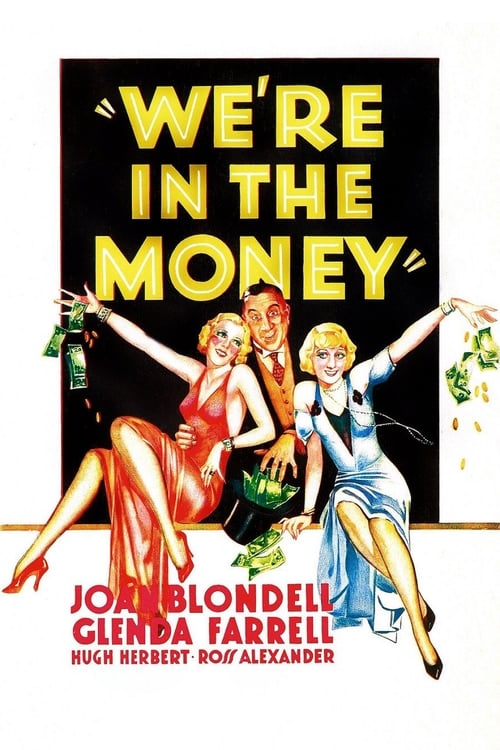
We're in the Money is a classic product of the early studio era, designed for escapism rather than social commentary. The narrative focuses on reinforcing traditional social, economic, and romantic norms typical of 1930s Hollywood. The film lacks complexity in representing diverse identities, relying on standard demographic frameworks. While the female leads are central to the musical spectacle, the story adheres to the period's restrictive gender and racial hierarchies. Ultimately, the production functions as a celebration of commerce and courtship, offering little disruption to the prevailing social order of its time.
Category Breakdown
The film follows traditional heterosexual relationships without showing any non-cisgender identities or same-sex interactions.
Female leads drive the film's energy through musical performances, but they operate within strict hierarchies that reinforce traditional romantic pairings and feminine roles.
The cast is mostly white, reflecting the era's demographics. Characters of color have limited roles and presence in the narrative.
The story celebrates consumerism and economic stability during the Great Depression. It promotes a single optimistic view of capitalism without addressing social issues.
There is no presence of characters with visible or invisible disabilities. The focus remains on able-bodied performers and high-energy dance routines.
Present on Screen
Limited or Absent
Official Synopsis
Ginger and Dixie are process servers for goofy lawyer Homer Bronson. The two friends want to quit, but they're offered a thousand dollars to serve four subpoenas in a breach of promise suit against rich C. Richard Courtney. Little does Ginger realize, C. Richard Courtney and her mysterious park bench boyfriend 'Carter' are one and the same.
1934

1936

1930
1935
1939
1942

1934
1936
No reviews yet. Be the first to share your thoughts on this movie!
Use the rating form above to leave a star rating and optional review.