
Love Begins at Twenty
1936
No user ratings available yet
Diversity score: 2.2 out of 10

1945
ApprovedDirector
Richard Thorpe
Runtime
105 minutes
Average Rating
No ratings yetSynopsis
A soldier falls in love with a newly-married woman after her husband abandons her for a business meeting on their honeymoon.
Overall Score
Minimal
Category Breakdown
LGBTQ+ Representation
The film adheres strictly to heteronormative courtship rituals. There is no evidence of same-sex intimacy or non-cisnormative gender identities.
Gender Representation
Esther Williams displays physical agency through swimming, yet the plot remains anchored in traditional romantic tropes. Female agency is circumscribed by conventional 1940s gendered dynamics.
Racial & Ethnic Diversity
The cast is homogeneous, reflecting the era's industry standards. The luxury hotel setting reinforces a predominantly Anglo-Saxon, upper-middle-class social environment.
Religious & Cultural Diversity
This escapist cinema prioritizes traditional Western social structures. It reinforces mid-century social institutions and lacks any inclination toward deconstructing the nuclear family.
Disability Representation
Characters are presented as able-bodied archetypes. There are no visible or invisible disabilities portrayed within the narrative.
Strengths
Areas for Improvement
AI Analysis
Thrill of a Romance is a quintessential product of the classical Hollywood studio system. It functions as escapist entertainment designed to reinforce existing social hierarchies rather than challenge them. The film relies on a homogeneous, heteronormative framework. It lacks intentionality regarding intersectional representation, opting instead for a traditional portrayal of romance and social class. While the lead actress provides a sense of physical spectacle, the narrative architecture remains bound by the era's conventional social and gendered expectations.
1936

1949

1938

1955

1936

1952

1941

1940

1937

1943
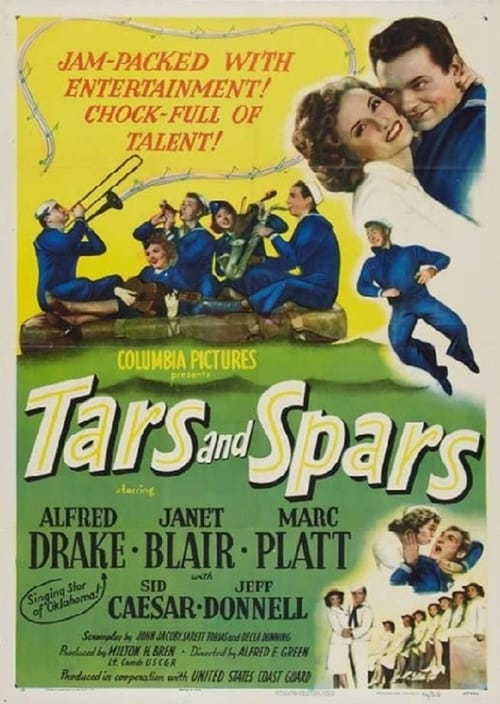
1946

1941
No reviews yet. Be the first to share your thoughts on this movie!
Use the rating form above to leave a star rating and optional review.