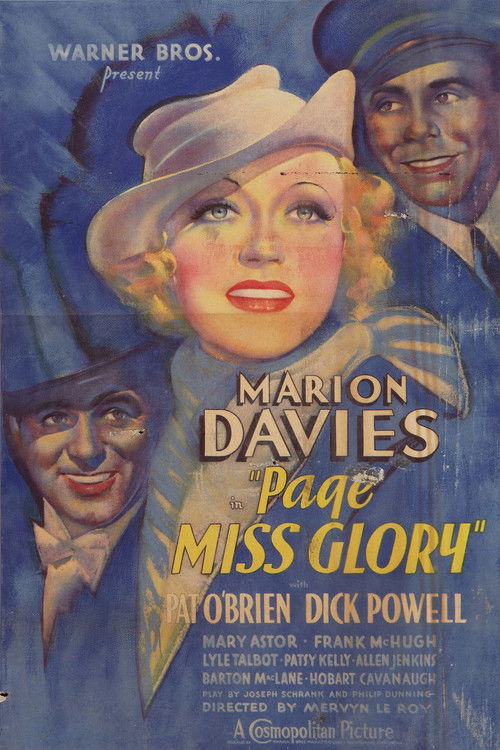
Page Miss Glory
1935
No user ratings available yet
Representation score: 2.5 out of 10
Representation Score
Limited
1935
ApprovedDirector
Elliott Nugent
Runtime
75 minutes
Average Rating
No ratings yetNew Showbiz Analysis
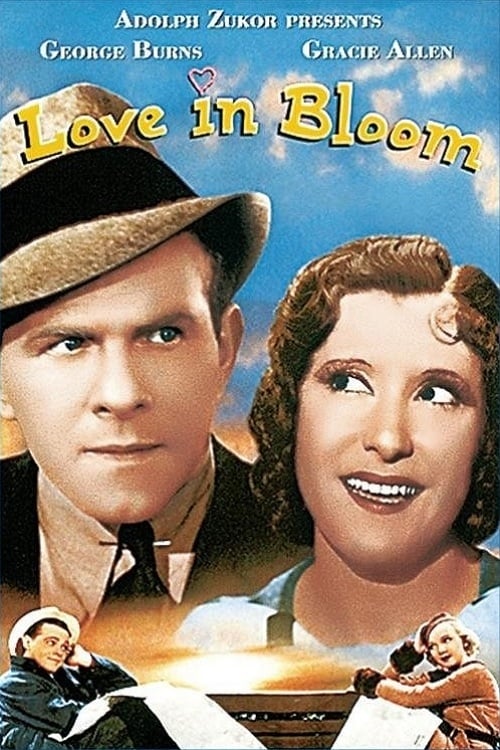
Love in Bloom is a product of the 1935 studio system, adhering strictly to the era's romantic and social archetypes. It functions primarily as an escapist musical comedy rather than a work of social subversion. The film offers a limited degree of women's ability to drive the story through its protagonist's professional ambitions, yet it remains tied to traditional romantic pairings. The absence of diverse casting and multi-layered complexity confines the narrative to narrow historical boundaries. Ultimately, the film reflects the social constraints of its time, prioritizing conventional courtship and capitalist success over any meaningful disruption of systemic hierarchies.
Category Breakdown
The film does not include any non-cisgender identities or same-sex relationships. It follows the traditional heterosexual courtship patterns typical of 1930s musical comedies.
The female lead takes control by leaving her carnival family to pursue a career in New York. However, the plot focuses on her romantic relationship with a male songwriter.
The production reflects the homogeneous casting standards of the 1930s. It appears to depict Western, white-centric social norms without a diverse cast.
The story uses a standard rags-to-riches framework centered on urban success. It serves as an escapist musical that upholds traditional values regarding romance and social mobility.
There are no visible or invisible disabilities depicted within the narrative. No characters use disability as a narrative device.
Present on Screen
Limited or Absent
Official Synopsis
A young girl runs away from her carnival family to make it in New York and becomes involved with a young songwriter.
1935

1928

1930
1943
1942

1952

1935

1932
No reviews yet. Be the first to share your thoughts on this movie!
Use the rating form above to leave a star rating and optional review.