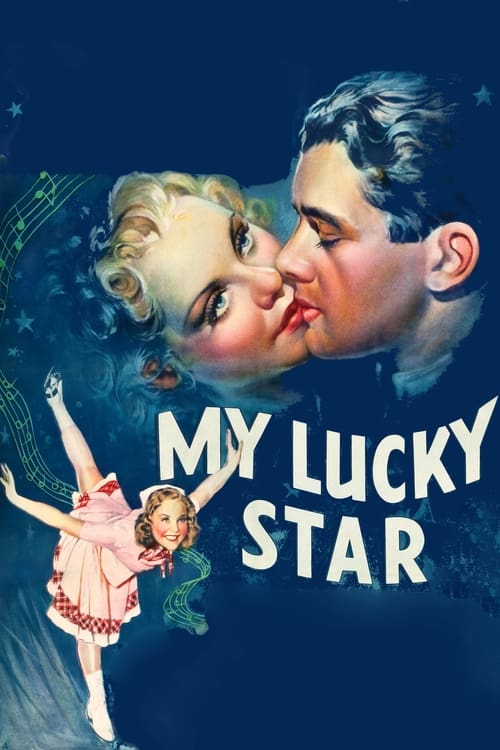
My Lucky Star
1938
No user ratings available yet
Representation score: 0.8 out of 10
Representation Score
Minimal
1936
ApprovedDirector
Ray Enright
Runtime
75 minutes
Average Rating
No ratings yetNew Showbiz Analysis
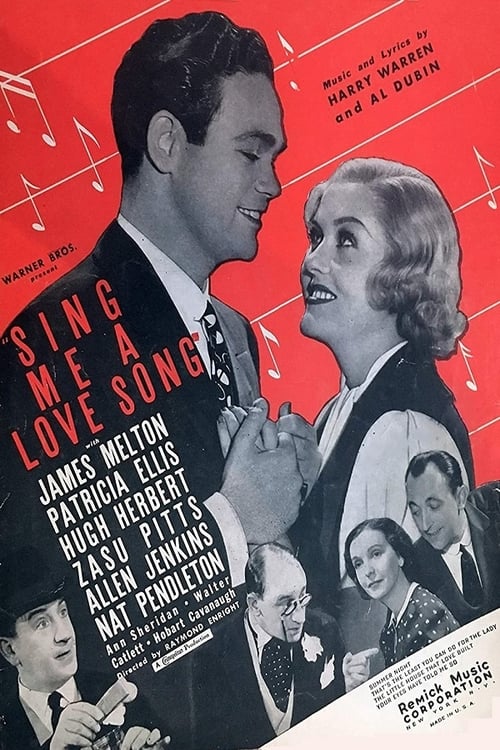
Sing Me a Love Song is a quintessential product of the 1930s studio system, prioritizing escapism and established social hierarchies. The narrative relies on a classic 'fish out of water' cliché where a wealthy playboy adopts a working-class persona to learn the family business. While the film provides a central romantic arc, it does so through conventional gendered dynamics and traditional courtship. The story functions within the standard social frameworks of its era, offering little in the way of subversion or diverse representation. Ultimately, the film serves as a period-typical musical comedy. It reinforces the status quo of its time rather than challenging racial, cultural, or identity-based norms.
Category Breakdown
The film focuses on a traditional romantic relationship between a male protagonist and a female character. There is no depiction of non-straight or non-cisgender identities, nor does it critique the assumption that everyone is straight or cisgender.
The male lead drives the plot through his inheritance and undercover business venture. The female lead is central to the romance, but the film adheres to traditional courtship archetypes.
The production likely reflects the homogeneous casting practices of the 1930s. It depicts a predominantly white, Anglo-Saxon social environment within the New York department store setting.
The narrative emphasizes traditional Western values like business sanctity and romantic stability. It uses the department store setting as a backdrop for lighthearted social interaction without critiquing institutions.
There is no indication of characters with visible or invisible disabilities being integrated into the narrative. No such characters appear to drive the plot.
Present on Screen
Limited or Absent
Official Synopsis
A young playboy inherits a financially-troubled New York City department store. To learn the business, he poses as a store clerk, and quickly falls for a pretty employee in the store's music department. Comedy with songs.
1938

1935
1930
1933
1935
1937
1946

1930
No reviews yet. Be the first to share your thoughts on this movie!
Use the rating form above to leave a star rating and optional review.