
The Merry Widow
1934
No user ratings available yet
Representation score: 5.1 out of 10
Representation Score
Minimal
1950
NRDirector
David Butler
Runtime
98 minutes
Average Rating
No ratings yetNew Showbiz Analysis
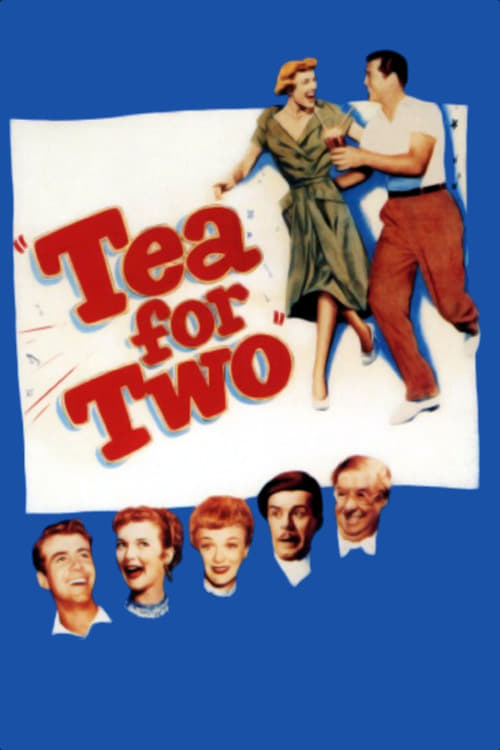
Tea for Two exemplifies mid-century cinematic conventions, emphasizing traditional romantic and social hierarchies while reinforcing the demographic norms of the 1950s. The film’s focus on an Anglo-Saxon social stratum and its lack of diverse representation underscore its adherence to white-centric storytelling. While the female lead exhibits a spirited personality and financial independence, the narrative remains firmly rooted in conventional courtship and wealth management.
Category Breakdown
The film follows traditional heterosexual romantic comedy structures and does not include any LGBTQ+ identities or same-sex relationships.
Nanette has financial independence and a spirited personality, but her motivations center around romance and fame. The dynamics reflect typical 1950s courtship customs and traditional gender roles.
The film reflects the homogeneous demographics of 1950s studio musicals, featuring a predominantly Anglo-Saxon cast with no significant characters of color.
The narrative emphasizes traditional Western social structures and middle-class values, focusing on wealth management and success within established societal frameworks.
The film does not feature characters with visible or invisible disabilities and does not include neurodivergent representation.
Present on Screen
Limited or Absent
Official Synopsis
In this reworking of "No, No, Nanette," wealthy heiress Nanette Carter bets her uncle $25,000 that she can say "no" to everything for 48 hours. If she wins, she can invest the money in a Broadway show featuring songs written by her beau, and of course, in which she will star. Trouble is, she doesn't realize her uncle's been wiped out by the Stock Market crash.
1934

1953
1941

1936

1952

1933
1943
1948
No reviews yet. Be the first to share your thoughts on this movie!
Use the rating form above to leave a star rating and optional review.