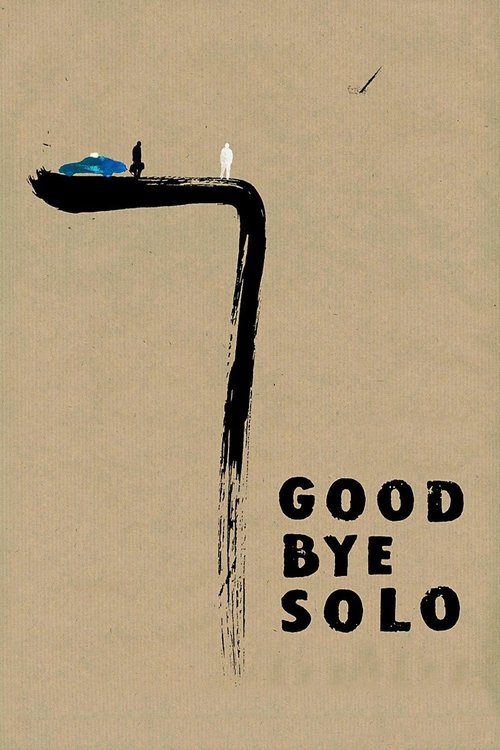
Goodbye Solo
2009
No user ratings available yet
Representation score: 3.8 out of 10

Representation Score
Fair
1997
NRDirector
Abbas Kiarostami
Runtime
99 minutes
Average Rating
No ratings yetNew Showbiz Analysis
Abbas Kiarostami’s masterpiece is a landmark of postmodern cinema that prioritizes philosophical inquiry over traditional demographic representation. It disrupts conventional narrative structures and challenges the authority of the cinematic image through meta-fictional techniques. While the film scores low in traditional metrics like gender and LGBTQ+ presence, it achieves progressive value through its intellectual subversion. It avoids easy moral resolutions, instead embracing a sophisticated, non-traditional framework that explores the individual's search for meaning. The work is a deeply Iranian production that avoids the 'white gaze' by centering a non-Western protagonist. It uses the specific cultural context of Tehran to facilitate a universal exploration of existential solitude.
Category Breakdown
The film does not include any representation of LGBTQ+ identities. The story revolves around a male protagonist and his interactions with other men.
The story lacks women's ability to drive the story, focusing almost entirely on the male experience of isolation and mortality. Women play minor roles in the narrative.
The film depicts Iranian life in depth, providing a rich look at the local social fabric. The cast is ethnically homogeneous but offers a detailed view of Iranian culture.
The narrative explores moral relativism and existentialism through religious discussions, such as a meeting with a seminarian, to delve into subjective meaning.
The protagonist's profound existential despair and suicidal thoughts drive the plot. His mental state is used to explore philosophical themes rather than neurodivergent experiences.
Present on Screen
Limited or Absent
Official Synopsis
A middle-aged Tehranian man, Mr. Badii is intent on killing himself and seeks someone to bury him after his demise. Driving around the city, the seemingly well-to-do Badii meets with numerous people, including a Muslim student, asking them to take on the job, but initially he has little luck. Eventually, Badii finds a man who is up for the task because he needs the money, but his new associate soon tries to talk him out of committing suicide.
2009

1995

2010

1985

1952

1990

2004

2009
No reviews yet. Be the first to share your thoughts on this movie!
Use the rating form above to leave a star rating and optional review.