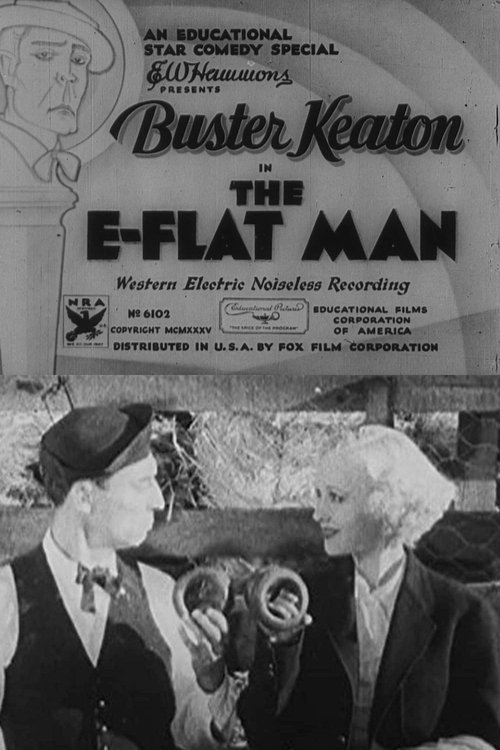
The E-Flat Man
1935
No user ratings available yet
Diversity score: 1.4 out of 10
No Poster Available
1936
APPROVEDDirector
William Nigh
Runtime
70 minutes
Average Rating
No ratings yetSynopsis
Two college students, Bob McDonald and Arthur Hale, find themselves expelled after they are unable to pay their tuition. Desperate for money, the pair heads to Central Park and decides to auction off their services to the highest bidder. A wealthy young woman named Sally van Ranseleer places the winning bid—her last five dollars—to hire them to drive her and her dilapidated car from New York to Ohio. During the journey, Bob and Sally begin to develop feelings for each other, though Bob remains stubborn and flustered, insisting he doesn't need a "liability" like her. After a fight, Sally leaves Bob and returns to her wealthy family to marry her "dullard" fiancé, Freddie Miller. To force Bob into admitting his feelings, Sally's father announces her immediate marriage to Freddie. Learning of the wedding while working as a telephone lineman, Bob rushes to the estate. In a climactic moment, he cuts the power wires to the lights during the ceremony and elopes with Sally.
Overall Score
Minimal
Category Breakdown
LGBTQ+ Representation
The film follows a strictly heteronormative path. The plot centers entirely on a romantic pairing between a man and a woman, with no queer identities present.
Gender Representation
Sally van Ranseleer shows some agency by hiring the protagonists, but the story ultimately relies on a male-led rescue. The female lead remains bound by traditional domestic expectations.
Racial & Ethnic Diversity
The narrative appears to feature a homogeneous white ensemble. The setting and social classes suggest a focus on Anglo-Saxon structures without visible racial or ethnic intersectionality.
Religious & Cultural Diversity
The story reinforces Western social hierarchies and class distinctions. It functions as a lighthearted romp through established social strata rather than challenging any cultural institutions.
Disability Representation
No physical or neurodivergent disabilities are depicted. Characters are defined by their socioeconomic status and romantic temperaments rather than any form of disability.
Strengths
Areas for Improvement
AI Analysis
Don’t Get Personal is a product of its 1936 era, prioritizing conventional romantic comedy tropes over diverse representation. The narrative architecture reinforces the social status quo of the mid-1930s, focusing on class distinctions and traditional gender roles. The film lacks intersectional complexity, presenting a world centered on a heteronormative romance. While the female lead displays minor independence, the resolution relies on traditional masculine heroics to resolve the central conflict. Ultimately, the film serves as a standard period comedy that adheres to established Western social hierarchies without attempting to deconstruct or expand upon them.
1935
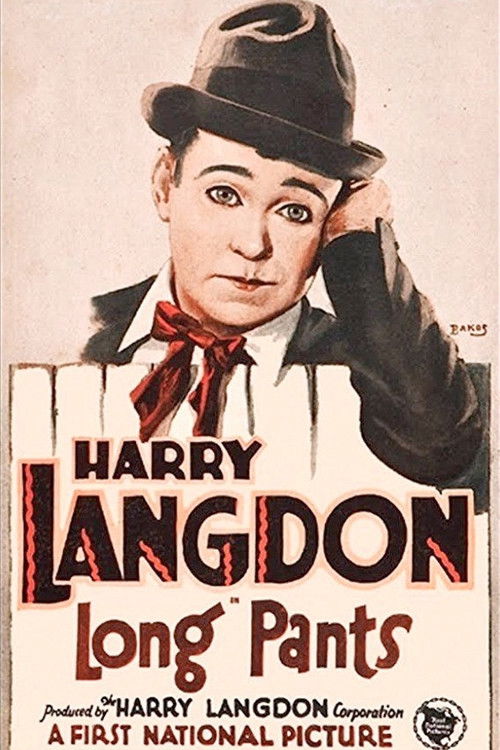
1927
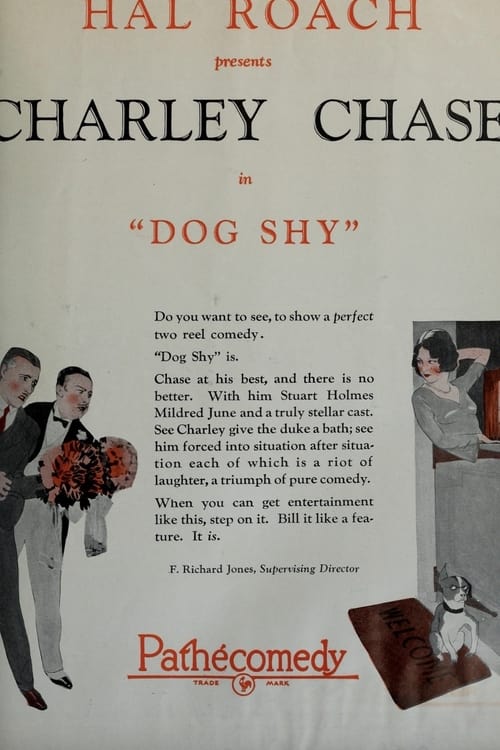
1926
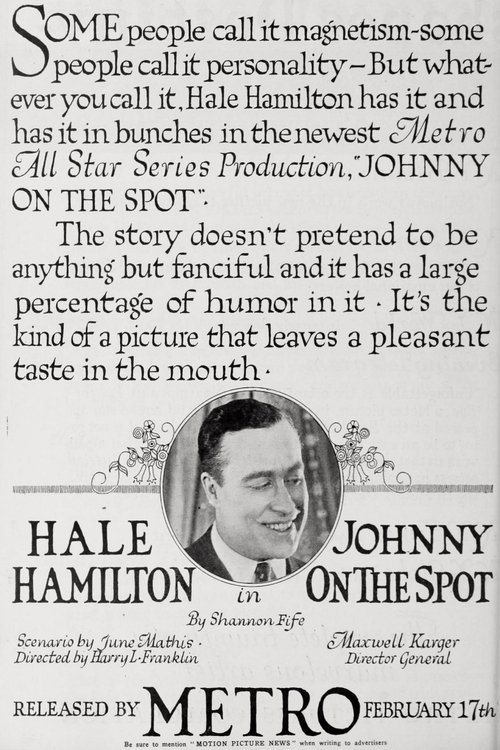
1919
1934

1918

1924
1925
1935
1935
1932

1936
No reviews yet. Be the first to share your thoughts on this movie!
Use the rating form above to leave a star rating and optional review.