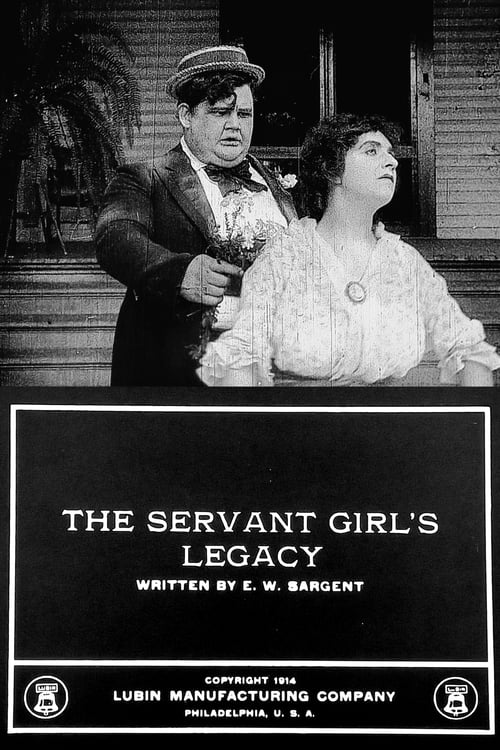
The Servant Girl's Legacy
1914
No user ratings available yet
Representation score: 2.0 out of 10

Representation Score
Minimal
1918
ApprovedDirector
Lloyd Ingraham
Runtime
50 minutes
Average Rating
No ratings yetNew Showbiz Analysis
Jilted Janet is a period-typical comedy that adheres strictly to the social hierarchies of 1918. The narrative lacks complexity, focusing instead on a singular conflict of romantic betrayal and class performance. While the female protagonist demonstrates tactical intelligence through her calculated deception, she uses this power to navigate existing social expectations rather than challenge them. The film ultimately reinforces the status quo of the early 20th-century Western social order.
Category Breakdown
The film focuses solely on heterosexual relationships and does not include any LGBTQ+ identities or same-sex intimacy.
Janet Barnes shows tactical intelligence by orchestrating a deception to regain her social standing. However, her actions are driven by traditional romantic and social validation.
The cast appears homogeneous, with no racial blending or non-white protagonists. The story centers on Western social hierarchies of the early 20th century.
The plot emphasizes class, wealth, and material status, reinforcing Western social structures without challenging them.
There are no visible or invisible disabilities portrayed within this narrative.
Present on Screen
Limited or Absent
Official Synopsis
Young Janet Barnes is dumped by her fiancé Ernest Morgan for Suzette Sparks, who comes from a wealthy family. Enraged, Janet sends him a photo of the elaborate and elegant mansion next door, implying that it is actually her home. Ernest replies that he and his new wife want to visit there during their honeymoon.
1914

1938

1924

1926

1917

1924
1929

1919
No reviews yet. Be the first to share your thoughts on this movie!
Use the rating form above to leave a star rating and optional review.