My Wife's Relations
1922
No user ratings available yet
Representation score: 0.4 out of 10
Representation Score
Minimal
1935
ApprovedDirector
Charley Chase
Runtime
21 minutes
Average Rating
No ratings yetNew Showbiz Analysis
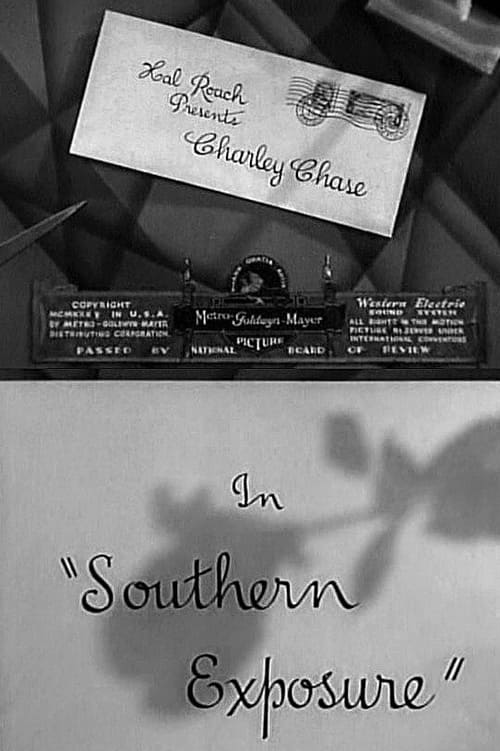
Southern Exposure is a period comedy that relies heavily on situational irony to expose the pretensions of its characters. The narrative uses the 'expectation vs. reality' cliché to highlight the characters' social status and its contradictions. While the film challenges the myth of aristocracy, it reinforces socioeconomic stereotypes of the time. Characters are defined by their perceived status rather than complex identities. Ultimately, the work stays within the conventional demographic boundaries of 1930s cinema, lacking the depth needed to address broader social structures.
Category Breakdown
The film follows traditional 1930s structures where everyone is assumed to be straight. There are no hints of queer relationships or identities.
Miss Lavinia Watkins takes a leading role by initiating legal action against the protagonist. However, the comedic resolution downplays the significance of her grievance.
The story is set in a predominantly white, rural Kentucky community. There are no mentions of non-white characters or diverse casting.
The story contrasts the perceived aristocracy with the rural reality, mocking the 'illiterate' kin. However, it relies on classist stereotypes rather than addressing systemic issues.
There is no indication of physical or neurodivergent disabilities in the film.
Present on Screen
Limited or Absent
Official Synopsis
Connie Chase receives a letter from Chaseville in Chase County, Kentucky, informing her that her lawyer husband, Jimmie, is a descendant of the Blue Grass State Chases. Assuming that they are now aristocratic heirs, they take a trip to visit their wealthy relations. They soon discover that Chaseville is a back-country hick town, and that their kin are dirt-poor illiterates who ambulate in bare feet. Nevertheless, Pappy (Charley Chase) could use Jimmie to defend him in a breach of promise lawsuit. Miss Lavinia Watkins sued him for not tying the knot, after pledging to marry her. The case is resolved as the courtroom becomes a dance floor, and everyone celebrates.
1922

1934
1943
1938
1935
1942
1932
1935
No reviews yet. Be the first to share your thoughts on this movie!
Use the rating form above to leave a star rating and optional review.