Max Fears the Dogs
1912
No user ratings available yet
Representation score: 3.4 out of 10
Representation Score
Minimal
1926
PassedDirector
Leo McCarey
Runtime
23 minutes
Average Rating
No ratings yetNew Showbiz Analysis
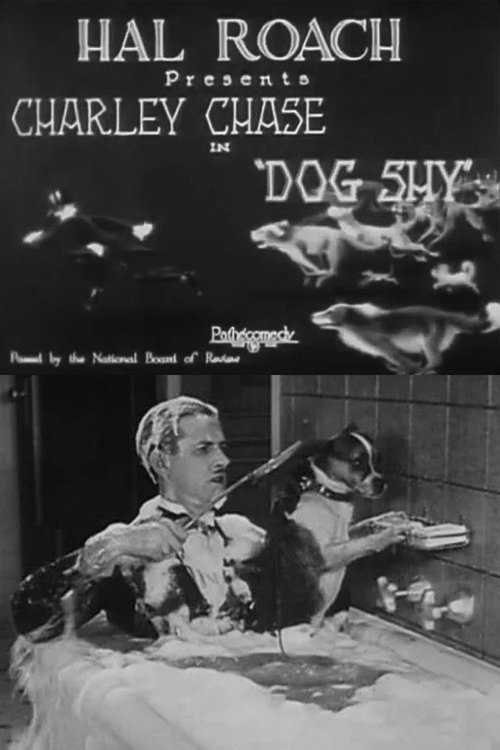
Dog Shy is a period-specific comedic vignette that adheres to the conventional demographic and thematic standards of the mid-1920s. The narrative relies on classic situational clichés, such as an accidental hero responding to external chaos, rather than intentional multi-layered representation. The film's structure focuses on traditional social hierarchies and institutions. While a female character initiates the plot, the themes remain rooted in the era's standard comedic frameworks, offering little challenge to established social norms.
Category Breakdown
The film does not include any characters with non-straight sexual orientations. The avoidance of marriage serves as a comedic element rather than a critique of the assumption that everyone is straight.
A female character drives the plot forward by making a phone call, showing she can initiate action. However, her desire to avoid marriage reinforces traditional gender anxieties typical of 1920s cinema.
The film likely reflects the homogeneous demographics of 1926, with no indication of ethnic diversity or casting actors from different backgrounds.
The story uses comedic disruptions around marriage but does not critically examine the underlying social structures. Instead, it prioritizes situational humor over a deeper critique of Western social institutions.
There is no mention of characters with visible or invisible disabilities. The synopsis does not indicate any representation of neurodivergent individuals.
Present on Screen
Limited or Absent
Official Synopsis
Charley is chased into a phone booth by a dog and agrees to help a young woman on the phone avoid getting married.
1912
1926

1896

1938
1920

1925
1924
1925
No reviews yet. Be the first to share your thoughts on this movie!
Use the rating form above to leave a star rating and optional review.