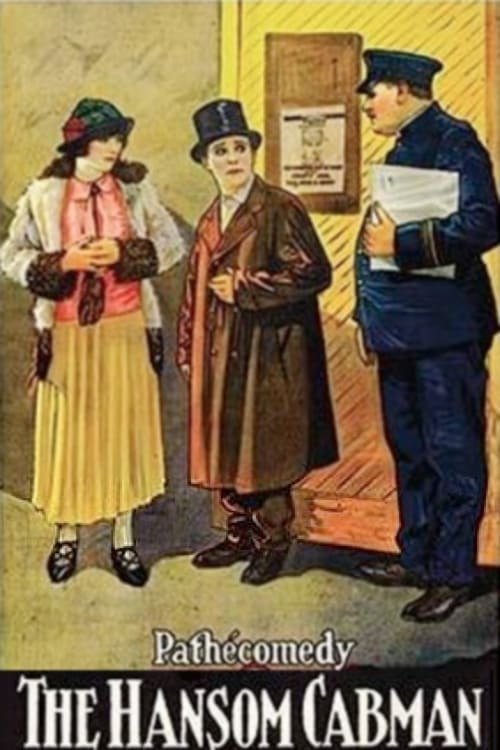
The Hansom Cabman
1924
No user ratings available yet
Representation score: 0.4 out of 10
Representation Score
Minimal
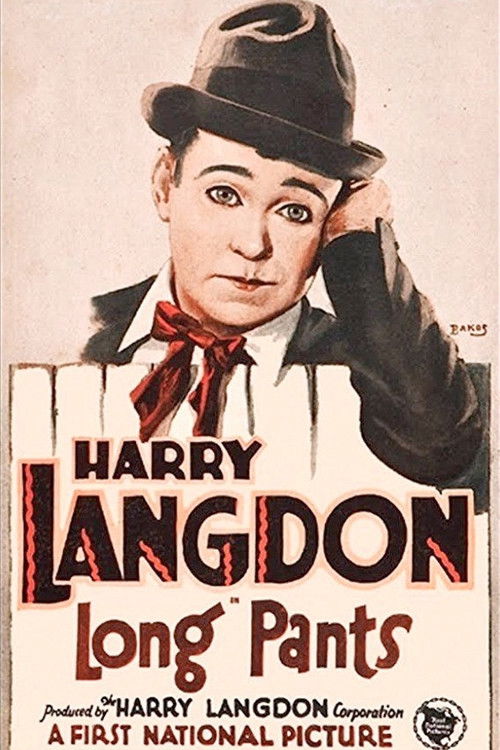
1927
Director
Frank Capra
Runtime
60 minutes
Average Rating
No ratings yetNew Showbiz Analysis
Long Pants is a product of its time, functioning as a traditional comedic short that reinforces existing social hierarchies. The narrative relies on established gender roles and a homogeneous social landscape. While Frank Capra's later work often celebrated the common man, this early silent film lacks systemic critique, operating within the conventional comedic structures of the late 1920s and offering little complexity.
Category Breakdown
The film adheres strictly to traditional heterosexual relationships, focusing entirely on the romantic dynamics between the male lead and two female characters.
The movie reinforces traditional gender roles and courtship norms. Female characters are defined by their relationships to the male protagonist, serving as either ideal partners or catalysts for his journey.
The cast is uniform and reflective of 1920s cinema standards. The setting lacks racial or ethnic diversity, presenting a culturally homogenous environment.
The storyline aligns with early 20th-century Western social norms. It emphasizes conventional morality and upholds the value of stable, domestic partnerships.
No characters with visible or invisible disabilities are shown. The film does not address neurodivergence or physical impairments.
Present on Screen
Limited or Absent
Official Synopsis
Harry Shelby has been kept in knee pants for years by his overprotective parents, but the day finally comes when Harry is given his first pair of long pants. Almost immediately, he is expected to marry his childhood sweetheart Priscilla... but instead, Harry's first heady whiff of manhood has got him panting after Bebe, a "fast" woman from the big city. Mistakenly thinking that Bebe fancies him too, Harry risks everything to help her out when she lands in jail, only to end up in hot water himself. Through it all, sweet Priscilla waits for her man to come to his senses.
1924
1927

1915
1925
1928
1928
1927
1926
No reviews yet. Be the first to share your thoughts on this movie!
Use the rating form above to leave a star rating and optional review.