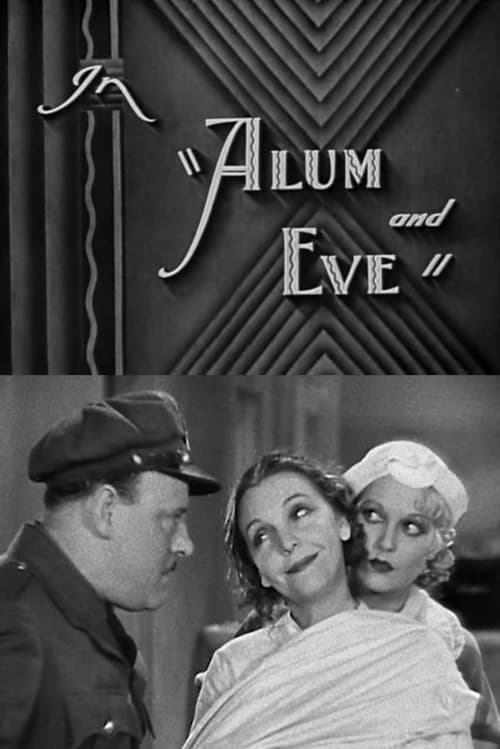
Alum and Eve
1932
No user ratings available yet
Representation score: 0.8 out of 10
Representation Score
Minimal
1932
PassedDirector
George Marshall
Runtime
19 minutes
Average Rating
No ratings yetNew Showbiz Analysis
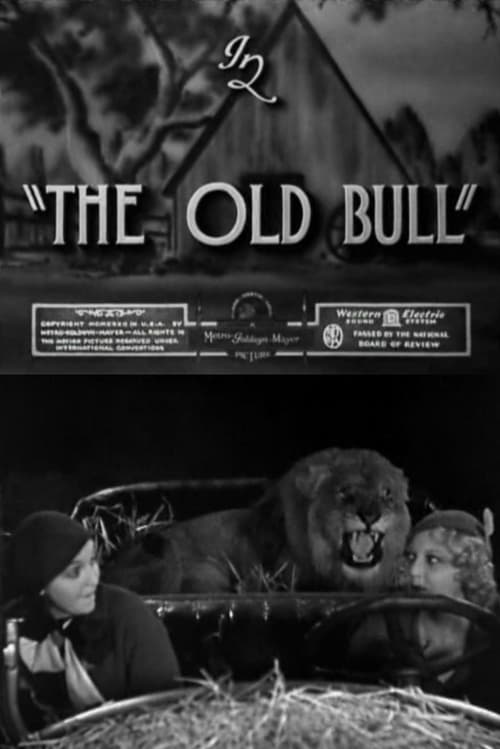
The Old Bull is a typical period comedy relying on situational slapstick and physical mishaps. It centers on female characters reacting to external chaos such as car crashes and escaped animals. The film operates within the conventional social and cultural frameworks of 1932. It lacks the depth needed to address multiple aspects of identity or offer a systemic critique of societal norms. Overall, the production reflects its time, providing visibility for women without challenging prevailing social hierarchies or offering diverse character perspectives.
Category Breakdown
The film does not include any characters with LGBTQ+ identities or same-sex romantic relationships. The interactions between the female leads are limited to a shared adventure.
Female characters play key roles in driving the plot, though their involvement is mostly reactive to physical mishaps rather than proactive leadership.
The story focuses on a local conflict involving farmers and villagers, with no indication of racial diversity or blending.
The film adheres to traditional early 20th-century comedic conventions, reinforcing standard social consequences for property damage without critiquing Western institutions.
There are no characters with visible or invisible disabilities mentioned in the narrative.
Present on Screen
Limited or Absent
Official Synopsis
Thelma and Zazu are on a leisurely excursion in a borrowed car. Thelma lets Zazu drive. When she brakes to avoid a bull pulled along by three rustics, her foot gets stuck and the car crashes through a barn. The barn's owner won't let them leave without paying damages. The gals hoof it, walking in a large circle to arrive back at the farmer's house after dark. While outside his door, they hear a radio broadcast to beware a lion escaped from a wintering circus. Can Thelma and Zasu reclaim the car while avoiding the angry farmer, his prize bull, and the renegade lion?
1932
1938
1936
1938
1935
1927
1914
1932
No reviews yet. Be the first to share your thoughts on this movie!
Use the rating form above to leave a star rating and optional review.