Glad Rags to Riches
1933
No user ratings available yet
Representation score: 0.4 out of 10
Representation Score
Minimal
1925
NRDirector
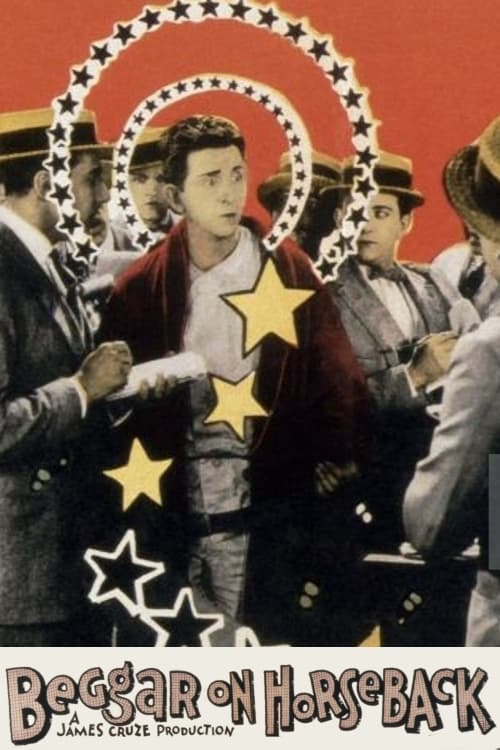
James Cruze
Runtime
70 minutes
Average Rating
No ratings yetNew Showbiz Analysis
Beggar on Horseback is a classic product of its time, emphasizing individual achievement and social respectability. The narrative structure adheres to the social hierarchies of the 1920s without challenging them. The film centers on a white, straight-centered experience where the male protagonist's actions shape the story. Women and minority groups are either absent or play supporting roles that uphold existing social structures. Overall, the film serves as a traditional tale of romantic and financial aspiration, lacking the layered complexity or critical examination of more modern cinema.
Category Breakdown
The film does not include any LGBTQ+ characters or non-straight identities. Romantic tension revolves around a traditional heterosexual relationship between the male lead and two women.
Gender roles adhere to 1920s norms, with the male protagonist driving the plot. Female characters mainly serve as emotional stakes or moral guides for the male character’s journey.
The cast reflects a uniform social setting typical of the 1920s. Non-white characters are not prominently featured or given significant roles in the narrative.
The story examines socioeconomic mobility through a traditional lens of social redemption. It emphasizes restoring social status without questioning Western institutions like capitalism.
There is no notable focus on physical, sensory, or neurodivergent representation in the film.
Present on Screen
Limited or Absent
Official Synopsis
Neil McRae, an impoverished composer, loves Cynthia Mason, but, fearing poverty, proposes to wealthy Gladys Cady. Can he compose himself and find the courage to seek love over comfort?
1933
1928

1925

1925
1927

1931
1938

1929
No reviews yet. Be the first to share your thoughts on this movie!
Use the rating form above to leave a star rating and optional review.