The Tale of Zatoichi
1962
No user ratings available yet
Representation score: 4.6 out of 10
Representation Score
Good
1970
Not RatedDirector
Kenji Misumi
Runtime
96 minutes
Average Rating
No ratings yetNew Showbiz Analysis
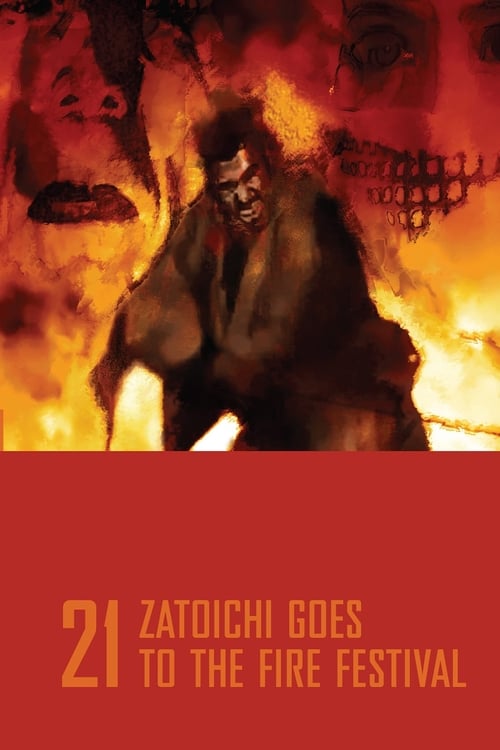
Zatoichi Goes to the Fire Festival presents a protagonist who play a significant role in driving the story despite his blindness. The film avoids common clichés by integrating Zatoichi's blindness into his professional skills and combat prowess, making his sensory limitations a functional reality. The production excels in cultural authenticity by maintaining a consistent Japanese worldview without Western influence. However, the film is limited by its adherence to traditional gender hierarchies. While Umeji challenges norms, the broader narrative remains centered on masculine-driven conflicts and traditional social structures.
Category Breakdown
Umeji challenges traditional gender norms, but the film does not have a dedicated storyline focused on LGBTQ+ themes or a broader critique of straight relationships.
Female characters are mostly defined by their relationships to male-driven conflicts. While Umeji stands out, the rest of the cast follows traditional gender roles.
The film features a homogeneous Japanese cast, maintaining cultural authenticity without Western casting norms. Indigenous characters play significant roles within a localized context.
The story questions institutional authority by showing Zatoichi's actions as responses to corruption. It emphasizes situational ethics over strict moral codes.
Zatoichi’s blindness is central to his identity and abilities, portraying him as a skilled and capable individual rather than a passive figure.
Present on Screen
Limited or Absent
Official Synopsis
The blind masseuse is targeted by the leader of a powerful yakuza group while also fending off a jealous husband bent on revenge. Zatoichi tours Edo's underground via a rousing onsen fight scene, gambling houses and the gender-bending character of Umeji, before a final, flame-filled conflagration.
1962
1962
1965
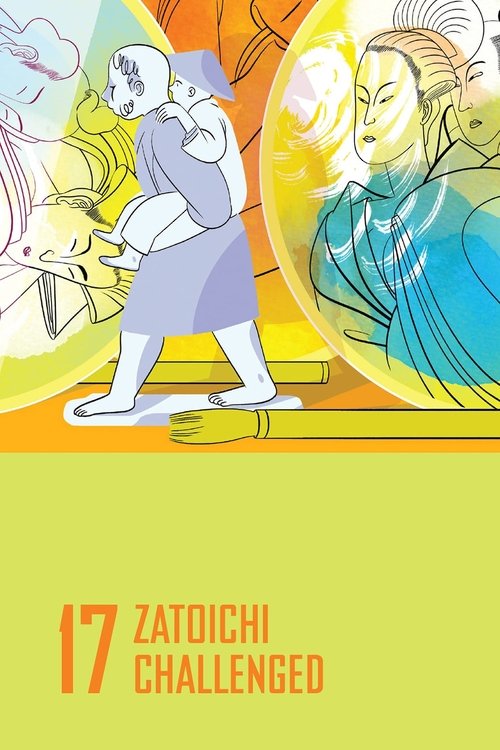
1967
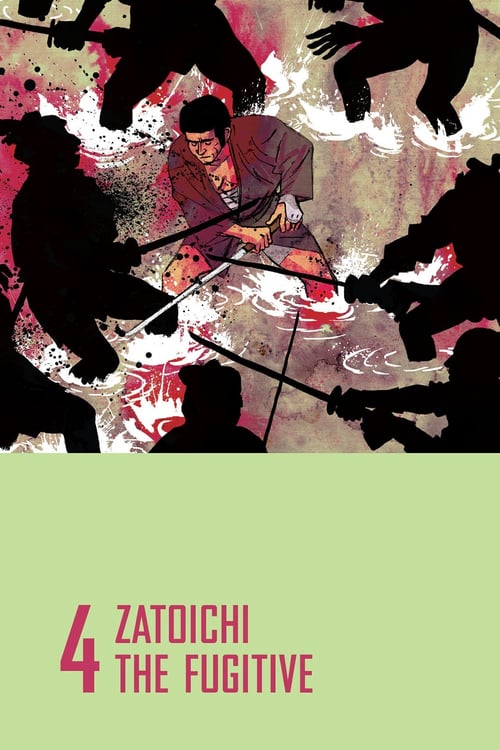
1963

1968
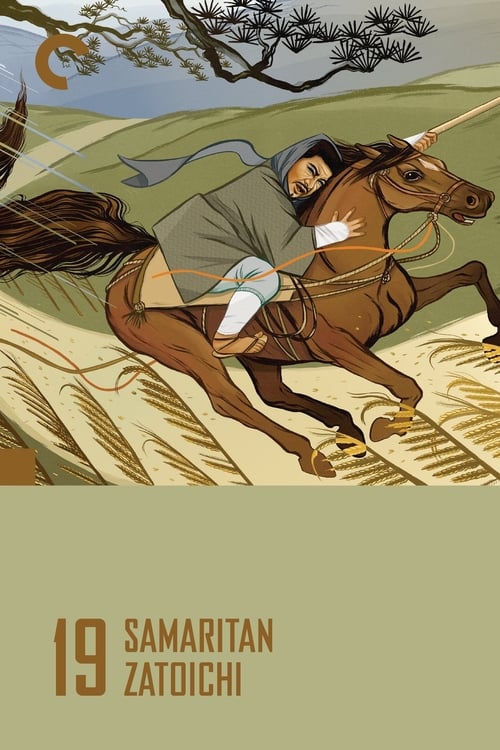
1968
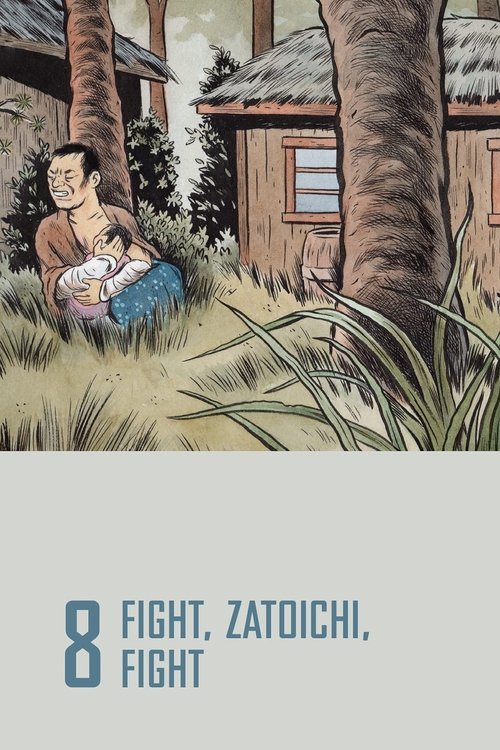
1964
No reviews yet. Be the first to share your thoughts on this movie!
Use the rating form above to leave a star rating and optional review.