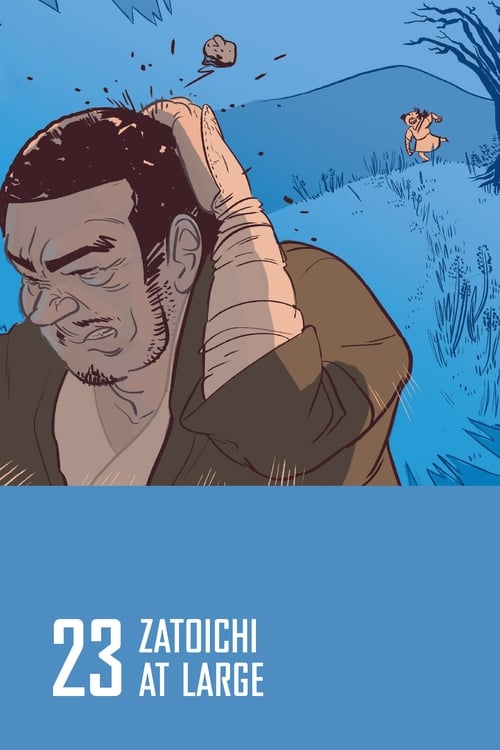
Zatoichi at Large
1972
No user ratings available yet
Representation score: 5.2 out of 10

Representation Score
Fair
1972
Not RatedDirector
Shintarō Katsu
Runtime
92 minutes
Average Rating
No ratings yetNew Showbiz Analysis
In Zatoichi in Desperation, the main character navigates the strict social structures of Edo-period Japan. The film stands out in its depiction of disability, showing blindness as a source of skill and independence. However, the historical context limits the film’s representation of LGBTQ+ identities and relies heavily on male-driven conflict. Female characters are often passive participants in a patriarchal system rather than active drivers of the plot.
Category Breakdown
The film follows the social norms of its historical era and does not include any non-straight relationships or stories that question the assumption that everyone is straight.
The story focuses on male-led combat scenarios. Female characters mainly act as catalysts for moral conflicts within a brothel setting and do not have much independence.
The film casts actors who match the ethnic background of the historical period, avoiding casting actors from different backgrounds. This helps maintain cultural authenticity.
The film criticizes the corrupt practices of local authorities and social hierarchies. Zatoichi, as a blind swordsman, disrupts the traditional social order.
Zatoichi’s blindness is a key part of his abilities. The film portrays him as fully independent and avoids stereotypes by focusing on the practical aspects of his condition.
Present on Screen
Limited or Absent
Official Synopsis
After accidentally causing the death of an old lady, Zatoichi tries to do right by buying the lady’s daughter’s freedom from a brothel - but this causes more problems than solves them.
1972
1962
1967
1962
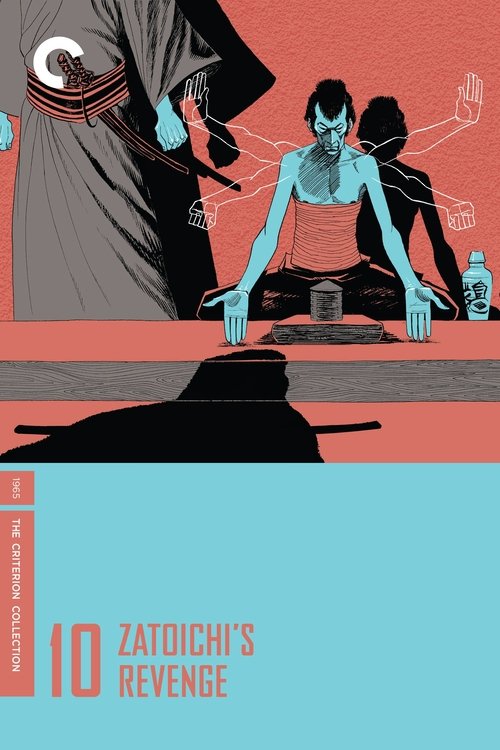
1965
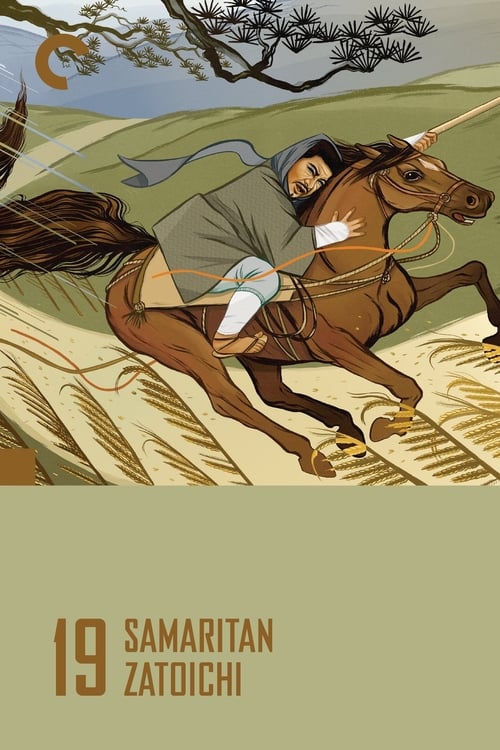
1968
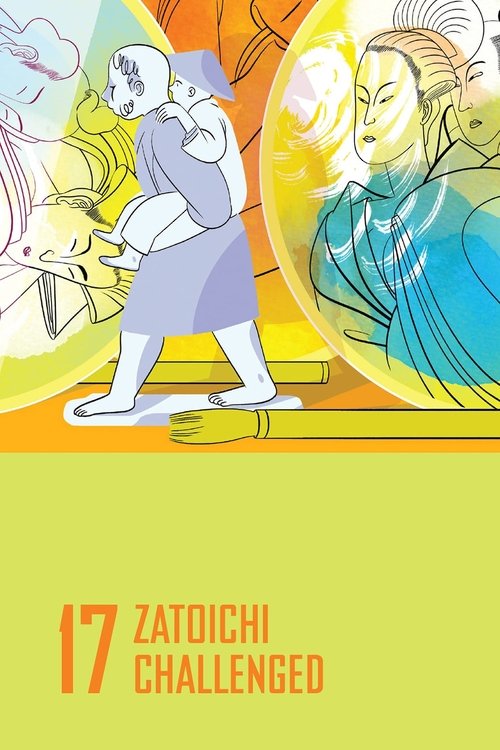
1967

1968
No reviews yet. Be the first to share your thoughts on this movie!
Use the rating form above to leave a star rating and optional review.