
The Midas Touch
1989
No user ratings available yet
Diversity score: 4.9 out of 10
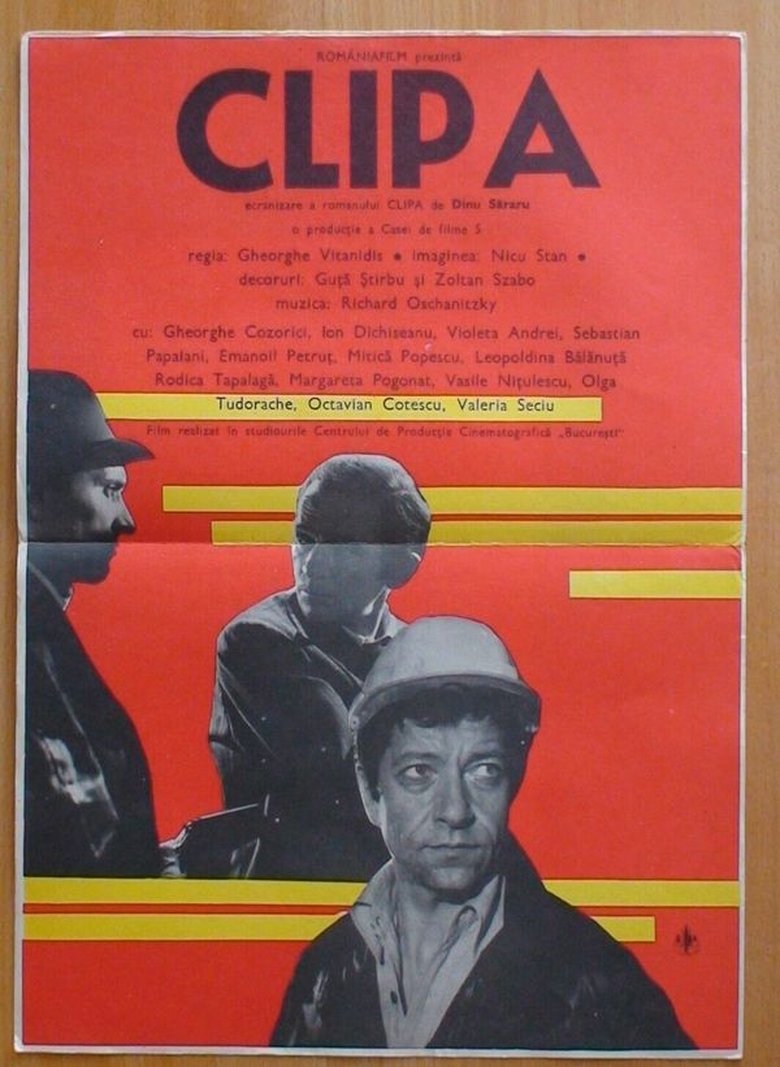
1979
Director
Gheorghe Vitanidis
Runtime
138 minutes
Average Rating
No ratings yetSynopsis
This movie is about a person that was convicted in the 50s by the stalinist policy of the times, then released and re-educated at the workplace in 65, as the policy changed.
Overall Score
Fair
Category Breakdown
LGBTQ+ Representation
The film lacks explicit evidence of LGBTQ+ characters or non-heteronormative identities. The narrative focuses on political rehabilitation and labor-based re-education instead.
Gender Representation
Gender dynamics appear traditional and functionalist, likely reflecting the socialist realism of the era. There is no evidence of subverting gendered power hierarchies.
Racial & Ethnic Diversity
The cast is likely ethnically homogeneous due to the localized historical setting. The story prioritizes internal political and class shifts over ethnic diversity.
Religious & Cultural Diversity
The film offers a strong critique of institutional power and state volatility. It explores the systemic trauma caused by shifting Stalinist policies and centralized authority.
Disability Representation
There is no documented evidence regarding the portrayal of physical or neurodivergent disabilities in this work.
Strengths
Areas for Improvement
AI Analysis
The film serves as a historical and political critique rather than a study in demographic intersectionality. It centers on a protagonist navigating the fallout of Stalinist policies and subsequent workplace re-education. While the narrative lacks modern markers of queer, racial, or gender diversity, it finds depth in its examination of systemic oppression. The focus remains on how state institutions impact individual agency during periods of political transition. Ultimately, the work prioritizes the deconstruction of centralized authority over a diverse cast, making it a study of political trauma rather than social representation.
1989

1976
1967

2005
1990

2006
2010

1965

2020

1994

1980
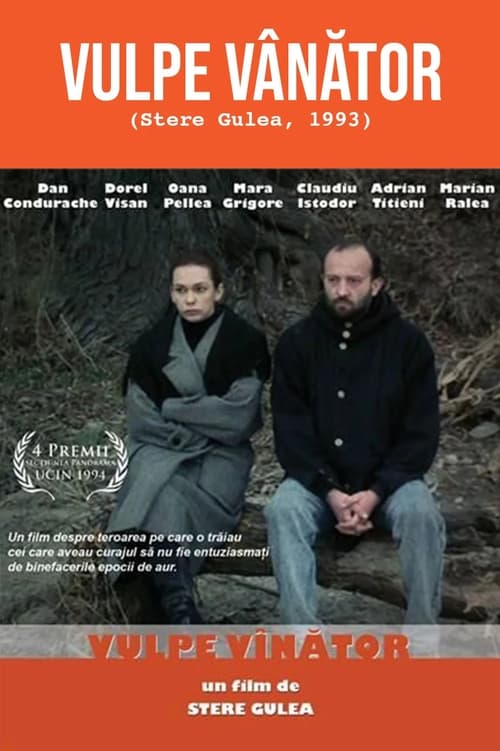
1993
No reviews yet. Be the first to share your thoughts on this movie!
Use the rating form above to leave a star rating and optional review.