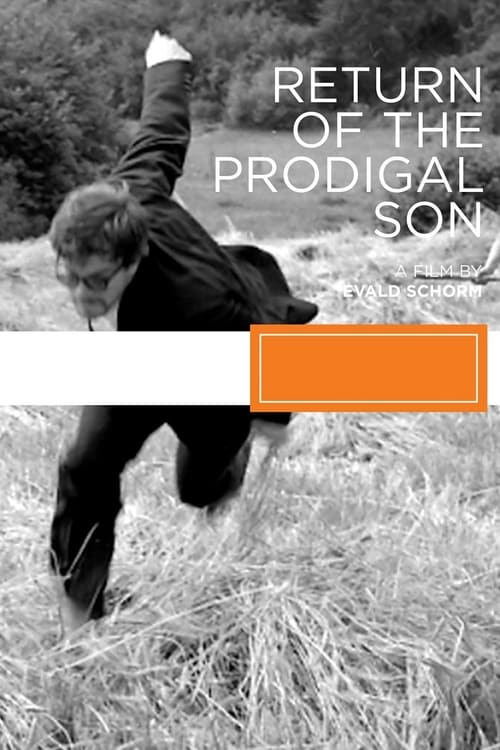
The Return of the Prodigal Son
1967
No user ratings available yet
Diversity score: 4.4 out of 10

1965
Director
Evald Schorm
Runtime
85 minutes
Average Rating
No ratings yetSynopsis
A passionate communist worker is discouraged by the changing political climate and the failure of his peers to live up to his ideals.
Overall Score
Fair
Category Breakdown
LGBTQ+ Representation
The film lacks explicit evidence of LGBTQ+ characters or narratives. It appears to focus on traditional interpersonal dynamics and the socio-political disillusionment of a male protagonist.
Gender Representation
Agency is centered on a male communist worker, reflecting traditional mid-century masculine coding. There is no evidence of female characters driving the plot or subverting gender hierarchies.
Racial & Ethnic Diversity
The cast and setting reflect the demographic homogeneity of 1965 Czechoslovakia. The narrative focuses on a local political climate that lacks intentional racial or ethnic pluralism.
Religious & Cultural Diversity
The film offers a sophisticated critique of institutional idealism. It disrupts monolithic depictions of socialist unity by exploring the friction between individual morality and systemic reality.
Disability Representation
There is no documented evidence suggesting that disability or neurodivergence serves as a central narrative component or character trait.
Strengths
Areas for Improvement
AI Analysis
Courage for Every Day is a character study focused on the psychological toll of political disillusionment. Its narrative strength lies in its ability to deconstruct institutional idealism and highlight the gap between political theory and human behavior. However, the film lacks demographic breadth. The focus remains on a male-centric struggle within a demographically homogeneous setting, offering little representation of non-heteronormative identities, diverse ethnicities, or disability. Ultimately, the film prioritizes intellectual and cultural critique over intersectional demographic variety, making it a specialized study of mid-century socio-political friction.
1967
1979
1976
1970
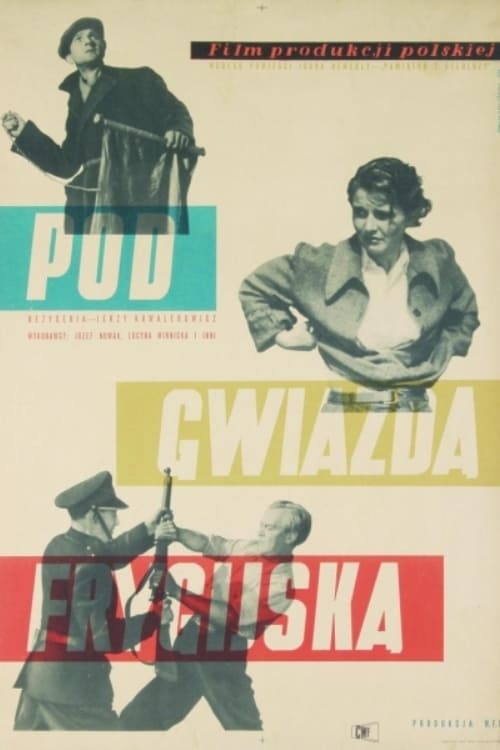
1954
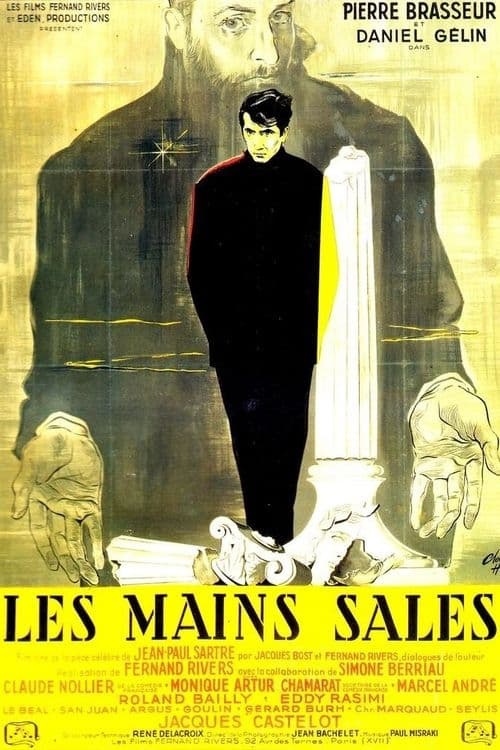
1951

1994
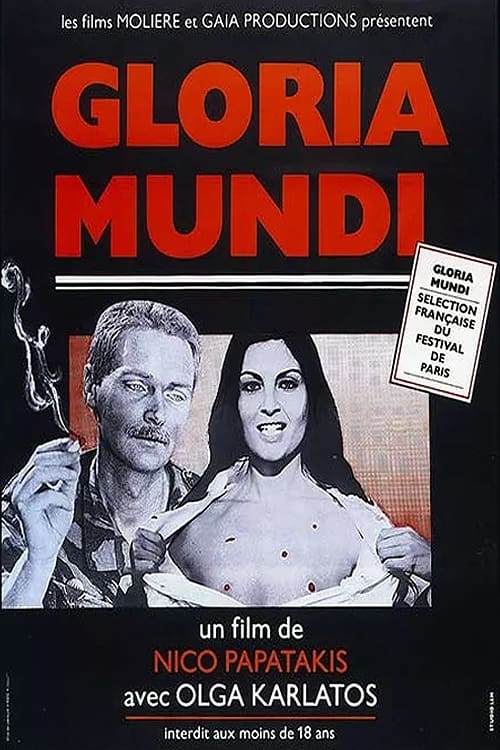
1976
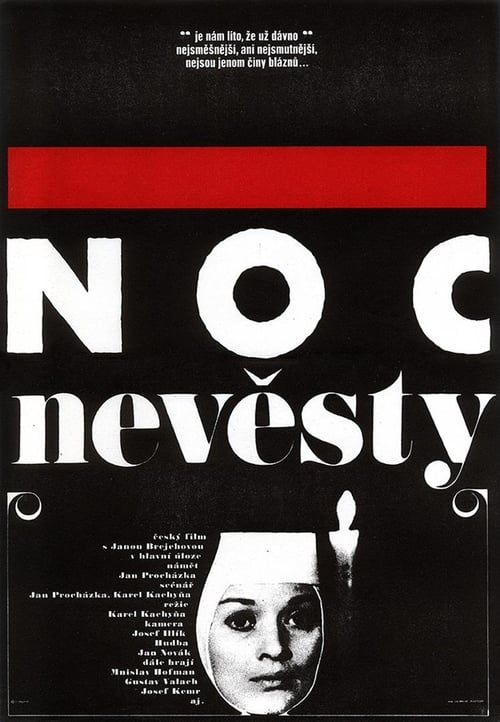
1967
1934
1969
1966
No reviews yet. Be the first to share your thoughts on this movie!
Use the rating form above to leave a star rating and optional review.