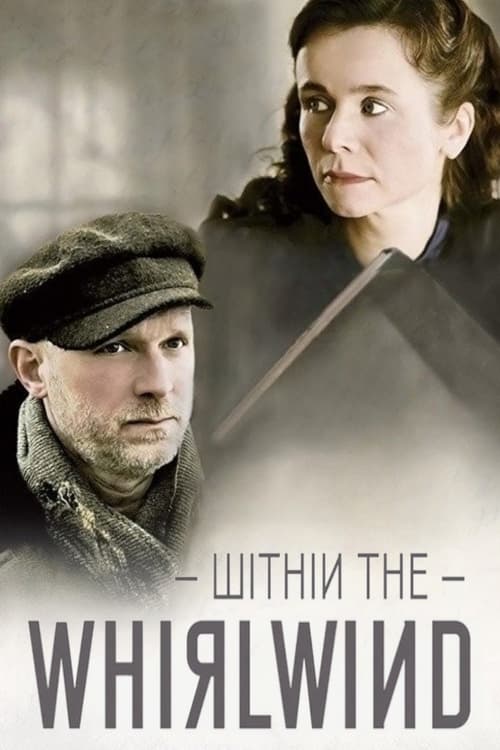
Within the Whirlwind
2009
No user ratings available yet
Representation score: 8.6 out of 10

Representation Score
Fair
2005
Director
Algimantas Puipa
Runtime
120 minutes
Average Rating
No ratings yetNew Showbiz Analysis
Forest of the Gods is a philosophical historical drama that prioritizes the resilience of the individual over demographic-driven casting. It functions as a critique of systemic power rather than a study of identity politics. The film’s strength lies in its complex deconstruction of institutional authority, portraying both Nazi and Soviet regimes as equally oppressive. However, the film lacks modern markers of diversity. The narrow focus on a male protagonist and a specific Eastern European historical context limits its multi-layered breadth.
Category Breakdown
The film does not include any explicit LGBTQ+ characters or identities that challenge the assumption that everyone is straight or cisgender. The story focuses on the protagonist's survival during political turmoil.
The story centers on a single male intellectual, following traditional historical dramatic clichés. However, the protagonist's personal moral code may subtly challenge traditional patriarchal authority.
The film reflects a homogeneous Eastern European ethnic context. While it lacks diverse racial blending, it critiques the systemic oppression of imperialist Nazi and Soviet regimes.
The narrative offers a sophisticated critique of political institutions. It prioritizes individualistic, secular-leaning ethics over state-mandated morality or institutionalized religion.
There is no documented evidence regarding the portrayal of physical or neurodivergent disabilities in this work.
Present on Screen
Limited or Absent
Official Synopsis
The story about one man - an artist and an intellectual - who was imprisoned by two brutal regimes, the Nazis and the Soviets. 'The Professor' is a man who lives by his own personal version of the Ten Commandments. After miraculously surviving imprisonment in a Nazi concentration camp through a bit of ironic fate, he writes a memoir of his life, which becomes the target of the Soviet censors. The so-called "freedom" of Communism becomes just as oppressive as the German concentration camp.
2009
1985
1993

1994
1973
2018
2003
2001
No reviews yet. Be the first to share your thoughts on this movie!
Use the rating form above to leave a star rating and optional review.