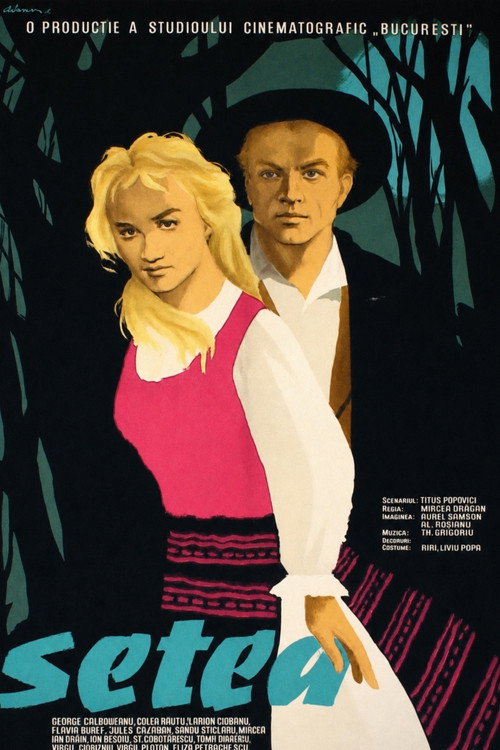
The Thirst
1960
No user ratings available yet
Representation score: 3.9 out of 10
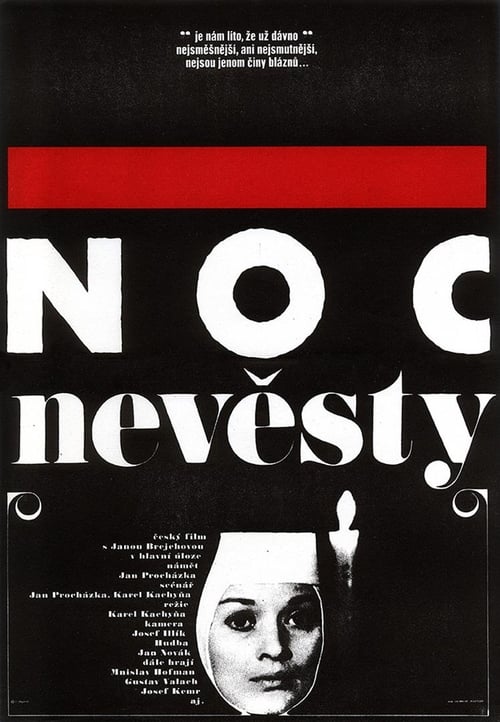
Representation Score
Fair
1967
Director
Karel Kachyňa
Runtime
90 minutes
Average Rating
No ratings yetNew Showbiz Analysis
The film serves as a historical allegory, focusing on the tension between religious institutions and the rise of Soviet-style socialism. Its strength lies in its nuanced critique of institutional structures and the subversion of established social orders. However, the narrative is constrained by its historical and geographic specificity. The emphasis on a homogeneous Czech village leads to a lack of racial and ethnic diversity, and there is no clear representation of LGBTQ+ or disabled individuals.
Category Breakdown
The film does not include explicit representations of non-traditional gender identities or same-sex relationships. While the changing social environment may affect traditional roles, there are no specific character arcs that confirm this.
The story focuses on female-dominated convents that resist a male-dominated state apparatus. This setup allows the film to challenge traditional power structures by highlighting female spiritual communities as sites of resistance.
Set in a mid-20th-century Czech village, the cast appears ethnically uniform. The story emphasizes ideological and class conflicts rather than racial or ethnic diversity.
The film provides a critical look at traditional religious institutions through a dark, allegorical perspective. It examines the human cost of shifting from religious institutions to socialist social models.
There is no documented evidence of the portrayal of physical or neurodivergent characters in this work.
Present on Screen
Limited or Absent
Official Synopsis
A dark fable set in an early 1950s Czech village, a time of Soviet-style socialism which saw the implementation of collectivized agriculture and the mass closure of monasteries and convents.
1960
1978
1978

1967
1985

1980
1968

1978
No reviews yet. Be the first to share your thoughts on this movie!
Use the rating form above to leave a star rating and optional review.