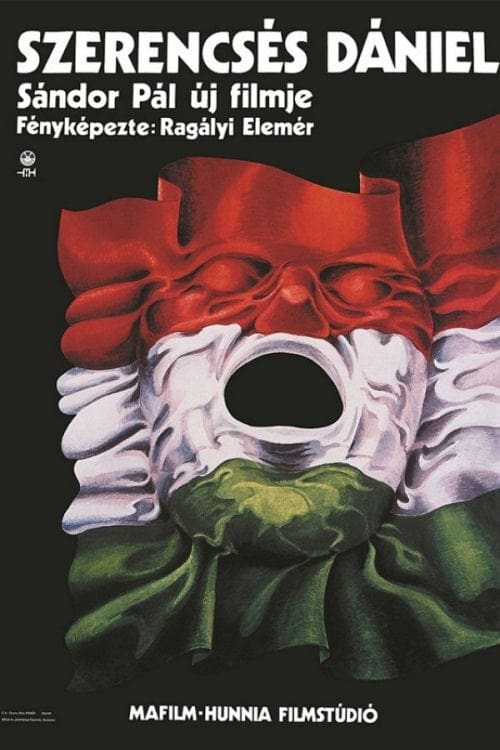
Daniel Takes a Train
1985
No user ratings available yet
Representation score: 5.9 out of 10

Representation Score
Fair
1989
Director
Géza Bereményi
Runtime
104 minutes
Average Rating
No ratings yetNew Showbiz Analysis
The Midas Touch is a historical drama that prioritizes systemic and political critique over modern identity politics. It explores moral relativism within a corrupt, post-World War II Hungarian landscape. While the film lacks diversity in terms of LGBTQ+ and racial representation, it provides a deep look at cultural and institutional struggles. The narrative focuses on the tension between individual desires and the dehumanizing weight of the state. Ultimately, the film's strength lies in its exploration of personal control against oppressive systems, rather than demographic variety.
Category Breakdown
The film does not explicitly include LGBTQ+ characters or those with non-traditional gender identities. Its focus is on the socio-economic dynamics of the Budapest underworld rather than on queer identity issues.
The story centers around male-dominated power structures, but the marketplace setting implies a diverse community. The theme of mortality challenges traditional masculine control.
The cast likely reflects the ethnic composition of Hungary after World War II. The narrative emphasizes national and political identity over racial or ethnic diversity.
The film excels in critiquing systemic institutions and state-run corruption. It uses the 1956 Revolution to highlight the struggle for individual control against an oppressive political system.
There is no specific information regarding the inclusion or portrayal of characters with physical or mental disabilities.
Present on Screen
Limited or Absent
Official Synopsis
A deep drama about life in Hungary after the WW2 until the revolt against Russians in '56. The main character is the head of the black market in Budapest. He thinks he can buy everyone and everything but at the end he must face that he can't buy life. A must-see for everyone. Casting involves some of the greatest Hungarian actors. The story takes place in the eighth district of Budapest focusing on the market place on Teleki square which is still working. The movie contains some archive footage of real fight during the revolution.
1985

1964
2000
1985
1979
1969
1979
1967
No reviews yet. Be the first to share your thoughts on this movie!
Use the rating form above to leave a star rating and optional review.