Curriculum Vitae
1975
No user ratings available yet
Representation score: 1.8 out of 10
Representation Score
Fair
1976
Director
Krzysztof Kieślowski
Runtime
106 minutes
Average Rating
No ratings yetNew Showbiz Analysis
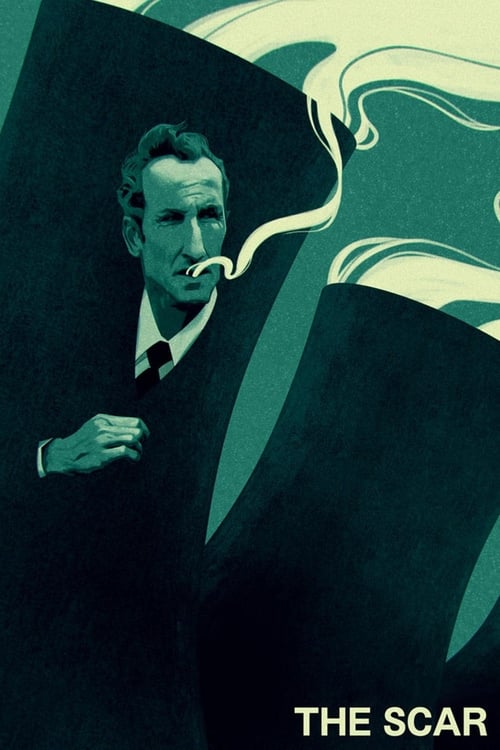
The Scar is a period-specific drama that prioritizes political and moral questions over demographic diversity. Its narrative structure revolves around the friction between a state-appointed official and a resistant community, making it a study of systemic power rather than identity politics. While the film excels in challenging institutional authority through its protagonist's internal conflicts, it remains demographically narrow. The focus on 1970s Polish socio-political landscapes results in a lack of racial, ethnic, or LGBTQ+ representation. Ultimately, the film's strength lies in its intellectual depth regarding authority and conscience. However, from a modern diversity perspective, it reflects the homogeneity of its historical setting.
Category Breakdown
The film does not feature explicit LGBTQ+ character arcs or non-assuming gender matches what was assigned at birth identities. The story focuses on the socio-political tensions between the state and the local community.
The male protagonist, Stefan Bednarz, takes a leading role in the story. The film explores moral conflict but lacks prominent women's ability to drive the story.
Set in 1970s Poland, the film reflects the homogeneous demographics of its time. The narrative emphasizes class and political identity over racial or ethnic diversity.
The film provides a nuanced critique of institutional imposition. It examines the tension between state-driven industrialization and personal conscience, prioritizing moral relativism over institutional dogma.
There are no visible or invisible disabilities depicted as central to the character arcs or the plot progression.
Present on Screen
Limited or Absent
Official Synopsis
When a political decision is made as to the location of a new large chemical factory, Stefan Bednarz is put in charge of it. This honest communist party man has to confront the local community opposing the construction.
1975
1985

1995
1971
1989

1976
1980

1981
No reviews yet. Be the first to share your thoughts on this movie!
Use the rating form above to leave a star rating and optional review.