
DAU. Brave People
2020
No user ratings available yet
Representation score: 6.4 out of 10
Representation Score
Fair
2020
UnratedDirector
Ivan Ostrochovský
Runtime
81 minutes
Average Rating
No ratings yetNew Showbiz Analysis
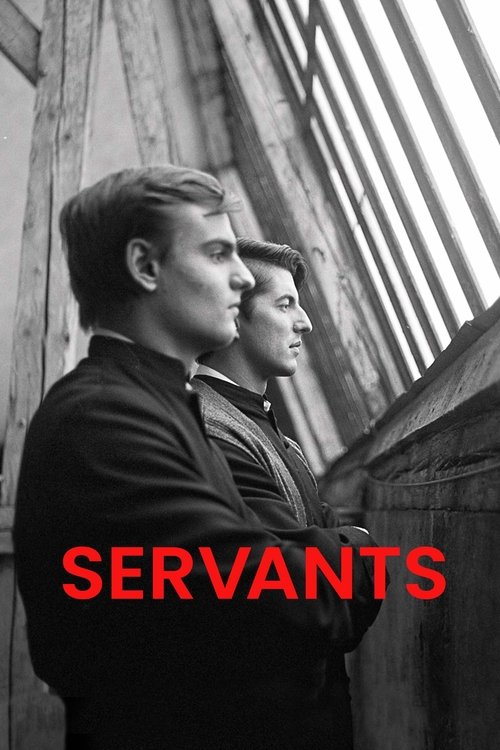
Servants is a period drama that prioritizes historical and thematic accuracy over demographic breadth. Its strength lies in its sophisticated critique of centralized authority and the deconstruction of religious and state institutions. The film's narrow focus on a specific male-dominated theological milieu in Czechoslovakia limits its representation of gender and racial diversity. While these limitations reflect the historical setting, they result in a lack of diverse perspectives. Ultimately, the film succeeds as a psychological study of moral relativism. It trades broad social representation for a deep, nuanced examination of individual conscience under systemic pressure.
Category Breakdown
The film centers on two male students in a theological seminary. Although the setting allows for potential exploration of non-traditional relationships, there is no explicit confirmation of romantic or sexual identity.
The story focuses on a male-centric struggle within a patriarchal, totalitarian institution. It challenges traditional masculinity through the characters' vulnerability, though women's ability to drive the story remains largely absent from the narrative.
Set in totalitarian Czechoslovakia, the film reflects the demographic homogeneity of Central Europe during this era. The casting aligns with historical accuracy rather than attempting to disrupt period-specific social constraints.
The narrative offers a strong critique of institutional power and state-sanctioned morality. It explores the moral complexities of religious life and the pervasive oppression of the secret police.
There is no evidence provided regarding the portrayal of physical or neurodivergent disabilities within the film.
Present on Screen
Limited or Absent
Official Synopsis
Michal and Juraj, two students of a theological seminary in totalitarian Czechoslovakia, must decide if they'll choose the easier way of collaboration, or if they'll subject themselves to the surveillance of the secret police.
2020
1985
1993
2018
2011
2008
2012

2012
No reviews yet. Be the first to share your thoughts on this movie!
Use the rating form above to leave a star rating and optional review.