The Last Word
1973
No user ratings available yet
Representation score: 6.4 out of 10
Representation Score
Fair
1980
Director
Günther Rücker, Günter Reisch
Runtime
105 minutes
Average Rating
No ratings yetNew Showbiz Analysis
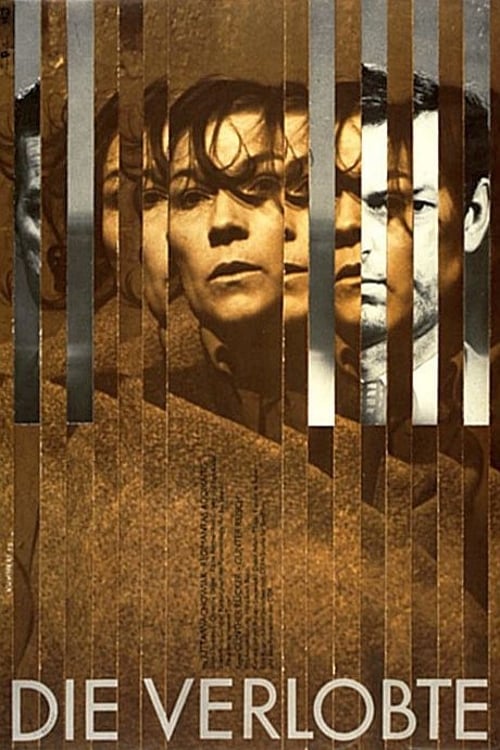
The Fiancee is a historical drama that finds its strength in political ability to act and the critique of systemic oppression. By centering a woman's struggle against a 1934 judicial system, the film moves beyond traditional domestic roles to highlight intellectual and political resilience. However, the film operates within a narrow demographic scope. The narrative is built around a heterosexual romance and lacks explicit representation of LGBTQ+ identities or racial diversity, focusing instead on ideological affiliation. Ultimately, the film's diversity is found in its subversion of state power and its celebration of the politically underrepresented, even if it lacks broader multi-layered variety.
Category Breakdown
The story focuses on a heterosexual relationship between the protagonist and her fiancé. There are no queer narratives or non-cisgender identities represented.
The film centers a female protagonist whose actions are driven by political conviction rather than domesticity. She is portrayed as a resilient political prisoner rather than a submissive stereotype.
Set in 1934 Germany, the narrative prioritizes political class and anti-fascist identity over racial diversity. Specific non-white representation is not documented in the story.
The film critiques authoritarianism by framing the state as an oppressive force. It emphasizes secular, collective struggle and political solidarity over religious or nationalist fervor.
The narrative does not feature characters navigating physical or neurodivergent disabilities.
Present on Screen
Limited or Absent
Official Synopsis
The wrenching story of a woman sentenced in 1934 to ten years in prison for antifascist activities. The love between her and her fiancée enables her to survive the tribulations of her time in prison, where she is one of few political prisoners.
1973
1999
1977
1985
2004

1985
1995
1978
No reviews yet. Be the first to share your thoughts on this movie!
Use the rating form above to leave a star rating and optional review.