
Les Miserables
1995
No user ratings available yet
Diversity score: 4.9 out of 10
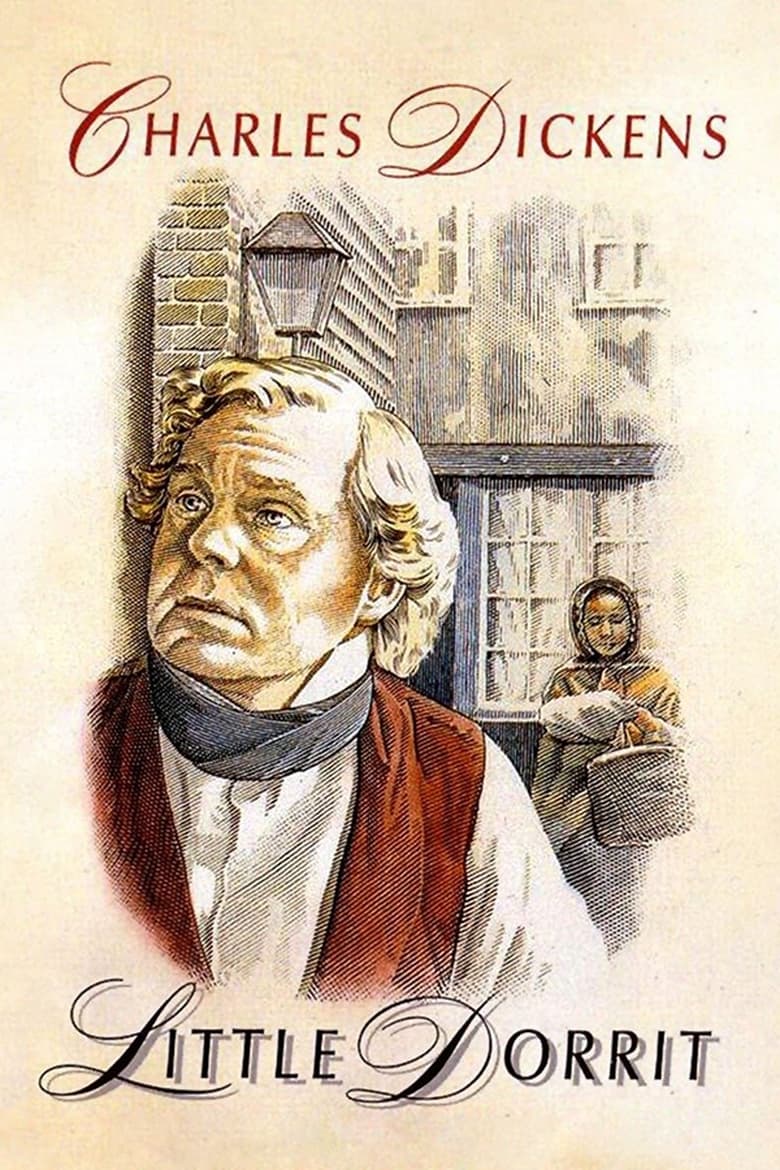
1987
GDirector
Christine Edzard
Runtime
357 minutes
Average Rating
No ratings yetSynopsis
Amy Dorrit spends her days earning money for the family and looking after her proud father who is a long term inmate of Marshalsea debtors' prison in London. Amy and her family's world is transformed when her employer's son, Arthur Clennam, returns from overseas to solve his family's mysterious legacy and discovers that their lives are interlinked.
Overall Score
Fair
Category Breakdown
LGBTQ+ Representation
The film adheres to the heteronormative social constraints of the Victorian era. No queer-coded character arcs or non-heteronormative identities are present in this adaptation.
Gender Representation
Amy Dorrit disrupts traditional hierarchies by serving as the narrative's practical and emotional engine. She demonstrates more agency and resilience than the paralyzed male characters.
Racial & Ethnic Diversity
Casting reflects a homogeneous Anglo-Saxon demographic consistent with historical realism. The film does not utilize race-bent casting or diverse ethnic representation.
Religious & Cultural Diversity
The film offers a sophisticated deconstruction of capitalism and predatory banking. It frames legal and financial bureaucracies as inherently oppressive and corrupt institutions.
Disability Representation
No central characters possess visible physical disabilities. Instead, the film explores the invisible disability of socioeconomic disenfranchisement and systemic stagnation within the debtors' prison.
Strengths
Areas for Improvement
AI Analysis
Christine Edzard’s adaptation succeeds as a rigorous critique of systemic inequality. By focusing on the dehumanizing mechanics of debt, the film shifts the moral focus from individual flaws to the failures of socio-economic architecture. While the production maintains traditional demographic standards regarding race and sexual orientation, it subverts gendered power dynamics. Amy Dorrit emerges as a stabilizing force against a failing patriarchal order. The film's strength lies in its progressive reading of historical power dynamics, portraying the inhabitants of Marshalsea as casualties of a broken machine rather than moral failures.
1995
1958
1966
1913

1969

1977

1936

2008
1958

2002

1999
1987
No reviews yet. Be the first to share your thoughts on this movie!
Use the rating form above to leave a star rating and optional review.