The Apple
1998
No user ratings available yet
Representation score: 4.9 out of 10
Representation Score
Good
1999
Director
Zhang Yuan
Runtime
90 minutes
Average Rating
No ratings yetNew Showbiz Analysis
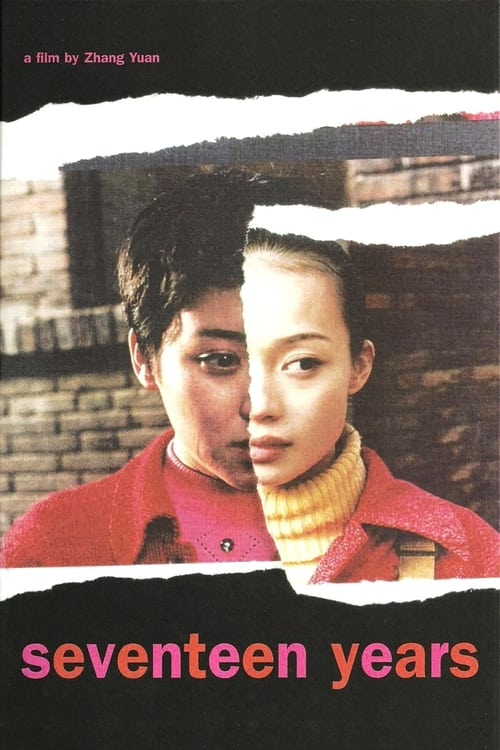
Seventeen Years is a profound exploration of individual alienation within a rapidly changing Chinese landscape. It functions well as a cultural critique, using the protagonist's displacement to highlight the human cost of systemic changes and the breakdown of traditional family units. However, the film's scope is narrow. It lacks engagement with LGBTQ+ identities or intentional disability representation. While the female protagonist is central, her ability to act is often limited by the tragic circumstances of her wrongful conviction. Ultimately, the film's strength lies in its postmodern approach and its refusal to offer comforting, traditional resolutions, instead focusing on the nuanced impact of societal shifts on individuals.
Category Breakdown
The film does not include explicit LGBTQ+ narratives or characters with non-conforming gender identities. It focuses on personal trauma and broken family bonds rather than exploring queer identity.
Tao Lan drives the emotional journey through her struggle against a rigid social order. While she avoids being portrayed in a submissive light, her ability to take action is heavily constrained by systemic failures.
The cast is ethnically uniform, providing a localized and authentic portrayal of Chinese social dynamics. It offers a non-Western perspective that diverges from typical Hollywood storytelling.
The narrative critiques rapid modernization and the erosion of traditional structures. The demolished home symbolizes the instability of traditional institutions during capitalist growth.
There is no prominent depiction of physical or neurodivergent disabilities. The film emphasizes psychological trauma and social isolation over intentional disability representation.
Present on Screen
Limited or Absent
Official Synopsis
Yu Xiaoqin steals money from her father and blames on her sister Tao Lan, who accidentally kills her sister while attempting to prove her innocence. After 17 years in jail, Tao Lan is escorted by a guard only to find her home long demolished. The two go to the new address of her ageing parents, and the guard becomes witness to the family's difficult reunion.
1998

1997
2007

1997

2001

2002

2022
2010
No reviews yet. Be the first to share your thoughts on this movie!
Use the rating form above to leave a star rating and optional review.