
The Bases And Vassula
1975
No user ratings available yet
Representation score: 2.8 out of 10
Representation Score
Good
1966
Director
Giannis Dalianidis
Runtime
95 minutes
Average Rating
No ratings yetNew Showbiz Analysis
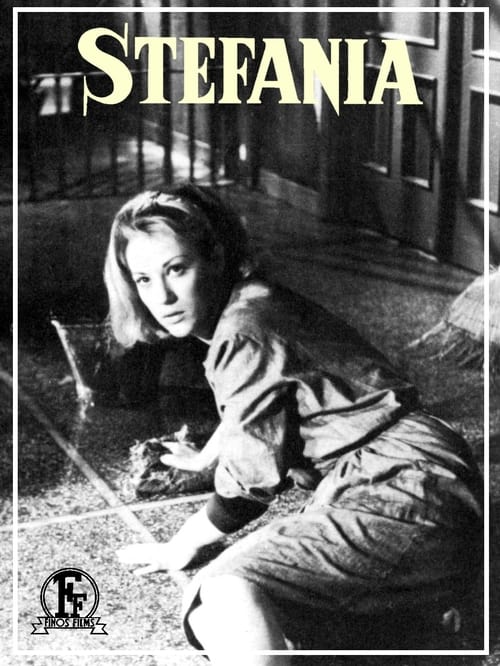
Stefania is a gritty social realist drama that challenges the cliché of the nurturing institution. By depicting a juvenile reformatory as a squalid prison, the film critiques state authority and systemic failure. The narrative highlights women's ability to drive the story through survivalist tactics in oppressive environments. However, the film is limited by the era's lack of diverse representation. The cast reflects the demographic uniformity of mid-century Greece, and the romantic storyline remains strictly heterosexual. While it effectively critiques oppressive systems, it falls short in representing a broad range of identities. Ultimately, the film's strength lies in its deconstruction of institutional morality rather than its breadth of identity representation.
Category Breakdown
The film focuses on a heterosexual romance between Stefania and the doctor, without any representation of queer identities or narratives that challenge straight relationships.
The movie centers on women facing a predatory system. Stefania demonstrates significant control by using social skills and flirtation as survival techniques in a restrictive environment.
Reflecting the demographic uniformity of 1966 Greece, the film lacks a multi-ethnic cast, sticking closely to the specific social realities of its time.
The story sharply criticizes state institutions, portraying the reformatory as a corrupt prison. This challenges the traditional sanctity of social and moral welfare systems.
The film illustrates the physical consequences of systemic neglect through poor living conditions. However, there is no specific depiction of characters with neurodivergence or physical disabilities.
Present on Screen
Limited or Absent
Official Synopsis
18 year old Stefania is brought to a juvenile reformatory for young prostitutes. The institution is actually a prison, and one of the worst and most squalid of its kind. It's a real hell. Two dozens of ragged girls are crammed into a dormitory, locked by a thick iron door, two in each bed. Meals and work is carried out in other sections of the building, separated by iron bars. A young doctor shall investigate the newcomer. When they meet, they immediately recognize each other. It is Giorgos, the doctor that treated Stefania's mother a couple of years ago, and then had a little flirt with Stefania. He has been thinking of her ever since. He immediately falls in love with her, and wants to help her. Stefania is thinking about any possibility to get out from the prison. She flirts with the ugly yard guard Armandos, and with the truck driver coming with foodstuff, but in vain...
1975
1961

1992
1962

1985

1978
1950

1979
No reviews yet. Be the first to share your thoughts on this movie!
Use the rating form above to leave a star rating and optional review.