St. Michael Had a Rooster
1972
No user ratings available yet
Representation score: 7.0 out of 10
Representation Score
Fair
1977
Director
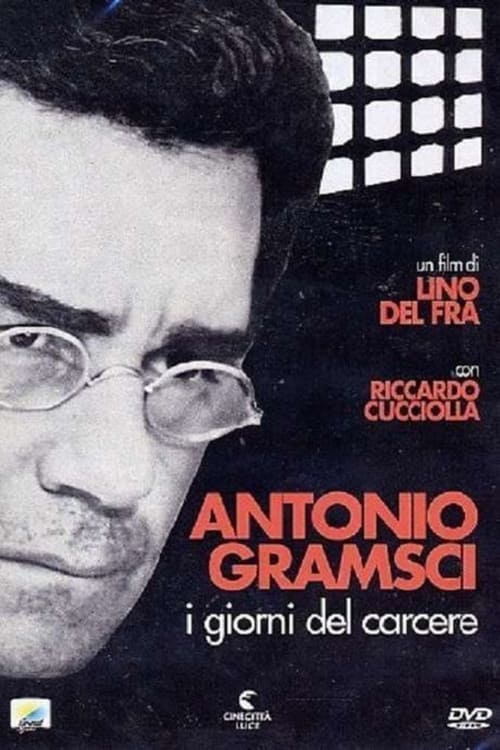
Lino Del Fra
Runtime
127 minutes
Average Rating
No ratings yetNew Showbiz Analysis
The film serves as a historical biography that emphasizes ideological struggle over diverse representations. While the cast aligns with the Italian context, the film's strength lies in its intellectual critique of state power. Its progressive value is seen in its thematic structure, which critiques institutional hegemony. The film reflects the social hierarchies of the time, especially concerning gender and race, but compensates with a deep engagement with political and systemic oppression.
Category Breakdown
The film stays true to the historical biography of Antonio Gramsci, with no depiction of LGBTQ+ identities or non-assuming gender matches what was assigned at birth narratives.
The story focuses on male-dominated political and prison settings. Women are shown primarily through the lens of enduring domestic life and the impact of political persecution on families.
The cast is mainly composed of actors representing the Italian population of the early 20th century, without any attempt to diversify the cast.
The film provides a deep exploration of anti-fascist sentiments using Gramsci’s Marxist philosophy to critique traditional Western state institutions and systemic ideological control.
The movie highlights the physical and mental effects of long-term imprisonment, emphasizing the psychological impact of incarceration as a key theme.
Present on Screen
Limited or Absent
Official Synopsis
Antonio Gramsci, sentenced to twenty years in prison by the fascist tribunals, relives the stages of his political career and private life.
1972
1971
1973
1985
1980
2007
1993

1984
No reviews yet. Be the first to share your thoughts on this movie!
Use the rating form above to leave a star rating and optional review.