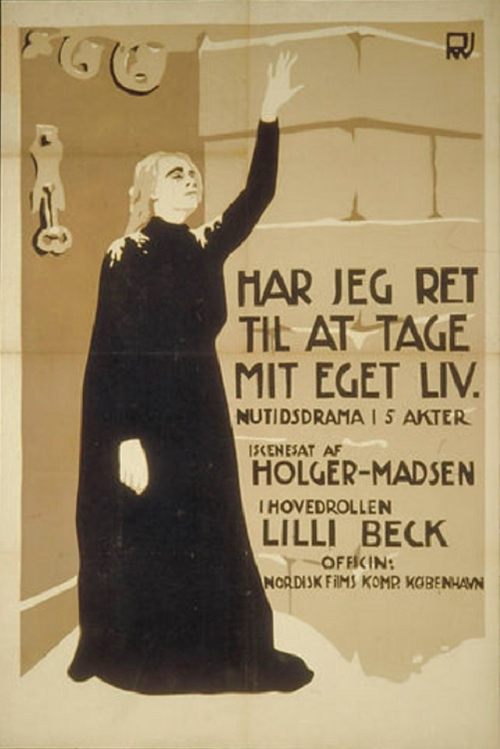
Beyond the Barricade
1920
No user ratings available yet
Representation score: 1.0 out of 10
Representation Score
Fair
1913
Not RatedDirector
Victor Sjöström
Runtime
108 minutes
Average Rating
No ratings yetNew Showbiz Analysis
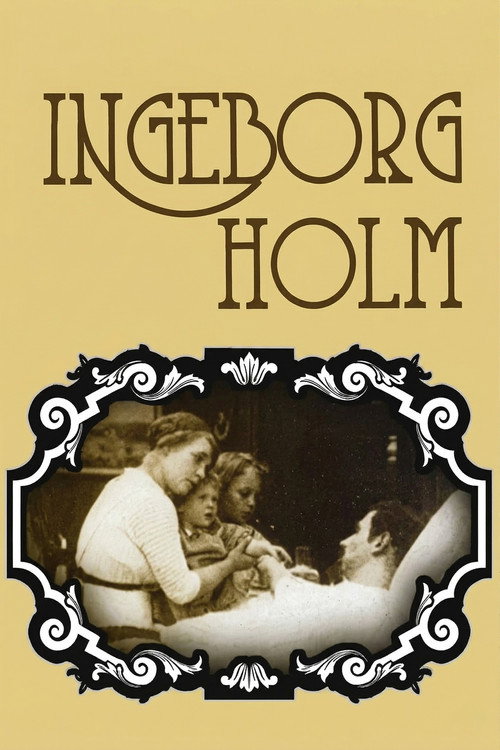
Victor Sjöström’s work is a sophisticated social protest that challenges established hierarchies. While the film lacks diverse racial or LGBTQ+ representation, it excels in its critique of systemic authority. The narrative structure uses the protagonist's struggle to deconstruct the social contract. By focusing on the breakdown of the family due to state neglect, the film moves beyond simple period drama into profound social realism. Ultimately, the film's strength lies in its portrayal of gendered resilience and its nuanced look at the psychological consequences of systemic failure.
Category Breakdown
The film focuses on a traditional nuclear family and its dissolution. There is no evidence of queer undertones or non-traditional gender identities.
The narrative centers on a woman's ability to drive the story and her resilience against patriarchal institutions. It highlights the strength needed to navigate a world that sidelines female-led households.
The cast is ethnically uniform, reflecting the early 20th-century Swedish context. It functions as a localized study of class within a specific demographic.
The film critiques Western institutional frameworks and state-run social welfare. It portrays these systems as oppressive mechanisms that dehumanize the vulnerable.
The story explores the psychological toll of poverty and mental instability. It critiques how society manages neurodivergence through institutionalization.
Present on Screen
Limited or Absent
Official Synopsis
After Ingeborg Holm's husband becomes sick and dies, the family's small grocery store fails, Ingeborg becomes bankrupt, and she is forced to move to the workhouse. Her three children go to foster homes. Ingeborg simply must see them again.
1920
1936

1918

1929

1951
2002

1933

1920
No reviews yet. Be the first to share your thoughts on this movie!
Use the rating form above to leave a star rating and optional review.