
The Jericho Mile
1980
No user ratings available yet
Representation score: 3.9 out of 10
Representation Score
Fair
1987
Director
Daniel Mann
Runtime
115 minutes
Average Rating
No ratings yetNew Showbiz Analysis
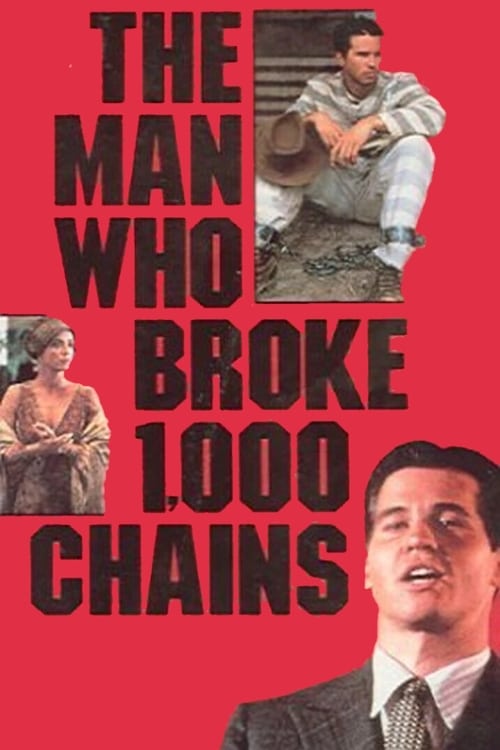
The film functions as a period drama examining the erosion of individual ability to act within early 20th-century American institutions. It prioritizes a critique of institutional corruption over the celebration of social order. By centering a protagonist pushed to the margins by the state, the story examines the intersection of personal ability to act and systemic failure. The narrative uses the protagonist's descent into vagrancy to highlight societal apathy. While the film lacks LGBTQ+ representation, it offers a nuanced look at psychological trauma and the failures of the legal and religious systems of the era.
Category Breakdown
The film does not include any visible LGBTQ+ characters or themes. The plot revolves around the protagonist's struggle with veteran status and socioeconomic issues.
The story centers on a male-driven struggle for survival. Women appear in the cast, but the conflict is framed through a masculine lens focusing on labor and physical confinement.
Set in 1922 Georgia, the film engages with the racial hierarchies of the Jim Crow era. It explores how society treats underrepresented individuals during this time period.
The film critiques traditional moral and religious frameworks through the protagonist's tension with his minister brother. It portrays the law as a source of oppression rather than justice.
The narrative explores the psychological trauma of a World War I veteran. These invisible wounds of war serve as a catalyst for his social displacement.
Present on Screen
Limited or Absent
Official Synopsis
The true story of Robert Elliot Burns, the prisoner who, after being sentenced to a Georgia chain gang, attempted two daring escapes.
1980
1987

1985

1947

1997
1960

1974

1966
No reviews yet. Be the first to share your thoughts on this movie!
Use the rating form above to leave a star rating and optional review.