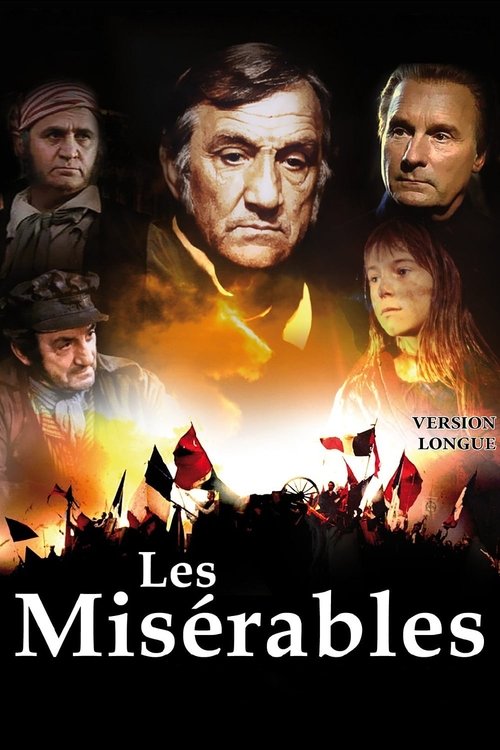
Les Misérables
1982
No user ratings available yet
Representation score: 3.3 out of 10

Representation Score
Fair
1995
RDirector
Claude Lelouch
Runtime
175 minutes
Average Rating
No ratings yetNew Showbiz Analysis
Claude Lelouch’s adaptation serves as a profound examination of systemic inequality. The film’s strength lies in its narrative structure, which prioritizes the lived experiences of the underrepresented and challenges the perceived moral superiority of state institutions. While the demographic diversity is limited by the historical context, the film is progressive in its treatment of power dynamics. It effectively elevates the roles of societal outcasts through a humanistic lens. However, the film remains tied to traditional social frameworks. It lacks queer representation and maintains a homogeneous casting approach that lacks diverse ethnic perspectives.
Category Breakdown
The film follows the straight-centered social norms of the time. There is no clear presence of queer subtext or non-cisgender identities.
Fantine's journey offers a nuanced look at how patriarchal and economic systems strip women of their ability to drive the story. Despite the central philosophical conflicts being male-driven, her suffering disrupts traditional views of domestic stability.
The narrative stays mostly homogeneous, reflecting the historical demographics of 19th-century France. It focuses on class struggle without incorporating diverse ethnic viewpoints to broaden its scope.
The film excels at critiquing Western institutions by challenging legalism and state authority. It frames the struggles of the urban poor and student uprisings as necessary for social progress.
The story shows the physical and mental strain of extreme poverty and systemic neglect. It uses exhaustion and illness to highlight how society fails those pushed to the margins of functionality.
Present on Screen
Limited or Absent
Official Synopsis
In WWII France, poor and illiterate Henri Fortin is introduced to Victor Hugo's classic novel Les Misérables and begins to see parallels between the book and his own life.
1982

1963
1934

1975
1952
1998
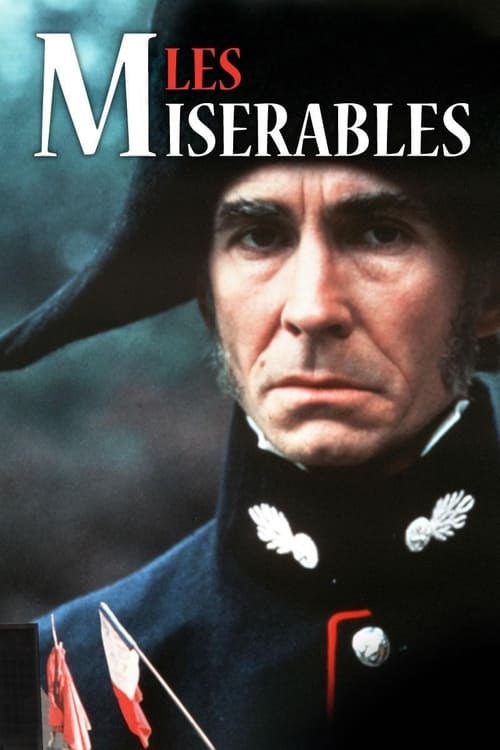
1978
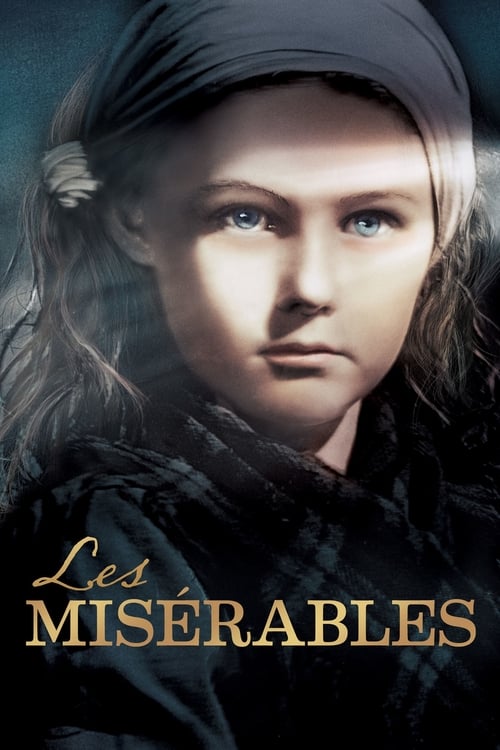
1935
No reviews yet. Be the first to share your thoughts on this movie!
Use the rating form above to leave a star rating and optional review.