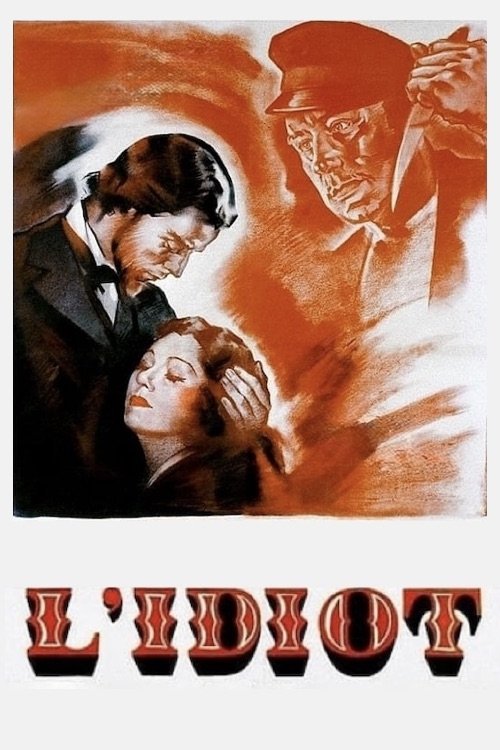
The Idiot
1946
No user ratings available yet
Diversity score: 4.8 out of 10
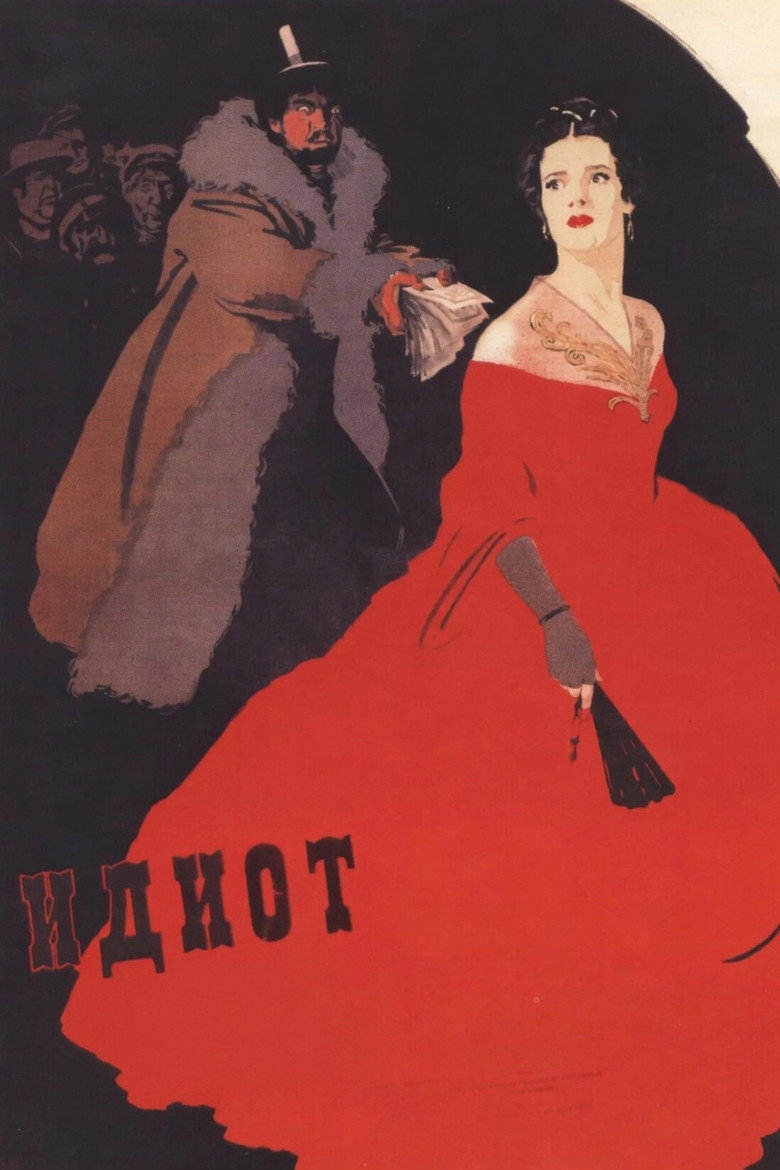
1958
PG-13Director
Ivan Pyryev
Runtime
116 minutes
Average Rating
No ratings yetSynopsis
Prince Myshkin returns to Russia from Switzerland, where he was treated in a psychiatric clinic. On the train, on the way to St. Petersburg, the prince meets Parfyon Rogozhin, who tells him of his passionate love for Nastasya Filippovna, the former containment woman of the millionaire Totsky. In St. Petersburg, the prince finds himself in the house of his distant relative – Lizaveta Yepanchina (General's wife), meets her husband, their daughters, as well as the Secretary of General – Ganya Ivolgin. The portrait of Nastasya Filippovna, accidentally seen on the general’s table, makes a great impression on the prince...
Overall Score
Fair
Category Breakdown
LGBTQ+ Representation
The film adheres to traditional 19th-century Russian social structures. There are no depictions of non-heteronormative identities or same-sex intimacy within the narrative.
Gender Representation
Nastasya Filippovna serves as a volatile, central figure who refuses submissive roles. The film grants significant psychological complexity and agency to its female leads despite a patriarchal setting.
Racial & Ethnic Diversity
The cast is ethnically homogeneous, reflecting the specific Russian aristocracy of the period. It functions as a period-accurate depiction of its historical milieu.
Religious & Cultural Diversity
The narrative critiques aristocratic decadence and social hierarchies. Religious themes focus on individual moral struggle and existential morality rather than institutional dogma.
Disability Representation
Prince Myshkin’s epilepsy and perceived cognitive differences are central to his arc. His neurodivergence is framed as a source of spiritual depth rather than a tool for mockery.
Strengths
Areas for Improvement
AI Analysis
Ivan Pyryev’s adaptation of Dostoyevsky succeeds in its psychological depth, particularly through its dignified portrayal of neurodivergence. Prince Myshkin is a complex protagonist whose epilepsy is treated with nuance and agency. However, the film is limited by its historical setting and production context. It lacks modern demographic diversity, presenting an ethnically homogeneous cast that reflects the specific Russian aristocracy of the era. Ultimately, the film finds strength in its subversion of social hierarchies. It uses its characters to critique the moral decay of the upper class and the rigidity of traditional social roles.
1946
1961
1982
1967
1926
1993
1968
1962
1995
2008
1989
2006
No reviews yet. Be the first to share your thoughts on this movie!
Use the rating form above to leave a star rating and optional review.