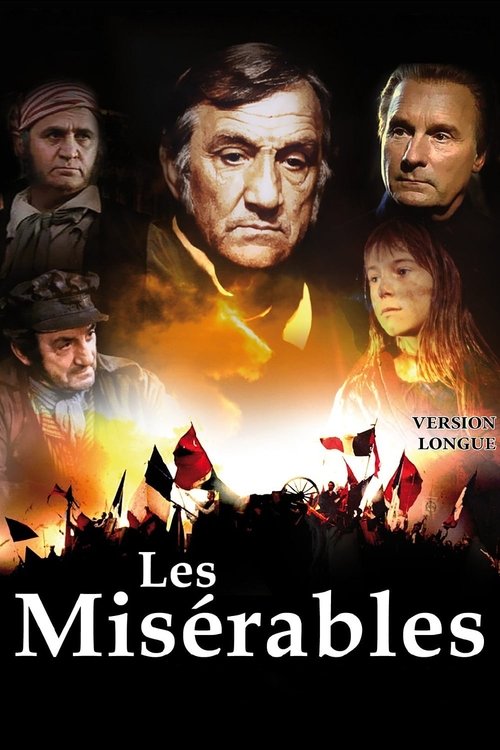
Les Misérables
1982
No user ratings available yet
Representation score: 3.3 out of 10
Representation Score
Fair
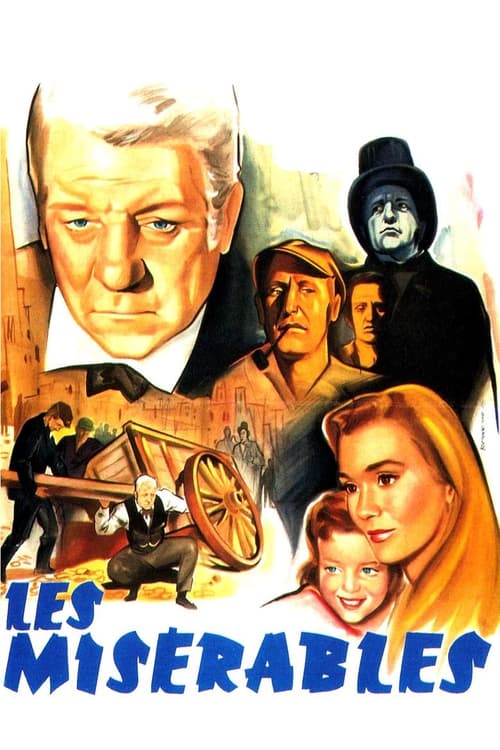
1958
Director
Jean-Paul Le Chanois
Runtime
210 minutes
Average Rating
No ratings yetNew Showbiz Analysis
This adaptation of Victor Hugo's classic centers around the tension between individuals and the state. It emphasizes class-based power dynamics and moral conflict over contemporary identity issues. While the film lacks LGBTQ+ and racial diversity, it provides a nuanced critique of systemic inequality. The narrative structure effectively challenges institutional authority through the lens of the French working class. Ultimately, the film is a powerful portrayal of socioeconomic struggle, though it remains limited by the demographic and social norms of its time.
Category Breakdown
The film follows the social norms of its time and does not include any visible LGBTQ+ identities or subtext.
Fantine's storyline highlights the exploitation of women and their vulnerability. However, women's roles remain tied to suffering or protection rather than independent leadership.
The story reflects the demographic makeup of 19th-century France, focusing on class divisions rather than racial or ethnic diversity.
The film excels in criticizing established institutions and the legal system, showing how economic structures criminalize poverty and depict social upheaval against the status quo.
The film touches on the physical toll of poverty but does not focus on neurodivergence or physical disabilities with much depth.
Present on Screen
Limited or Absent
Official Synopsis
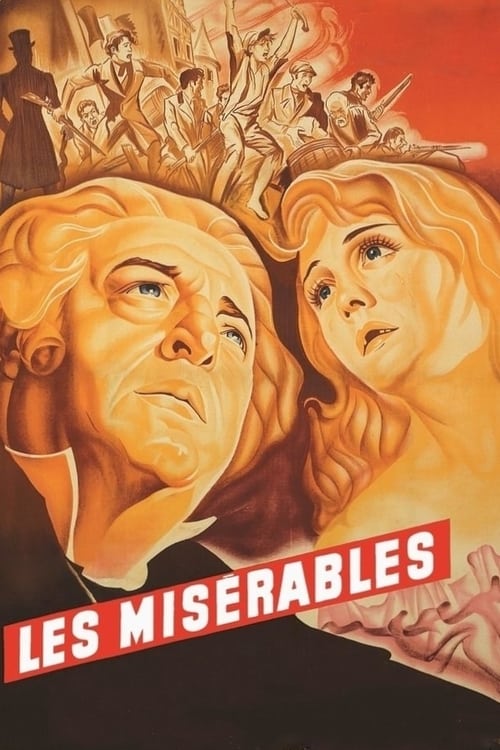
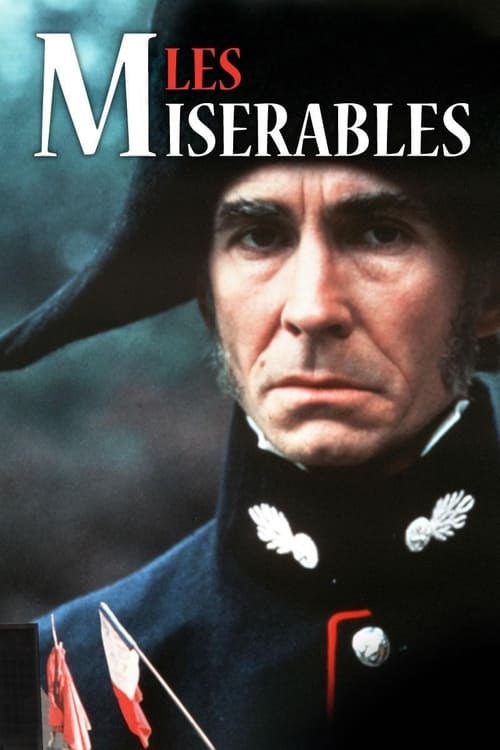
In 19th century France, Jean Valjean, a man imprisoned for stealing bread, must flee a relentless policeman named Javert. The pursuit consumes both men's lives, and soon Valjean finds himself in the midst of the student revolutions in France.
1982
1971
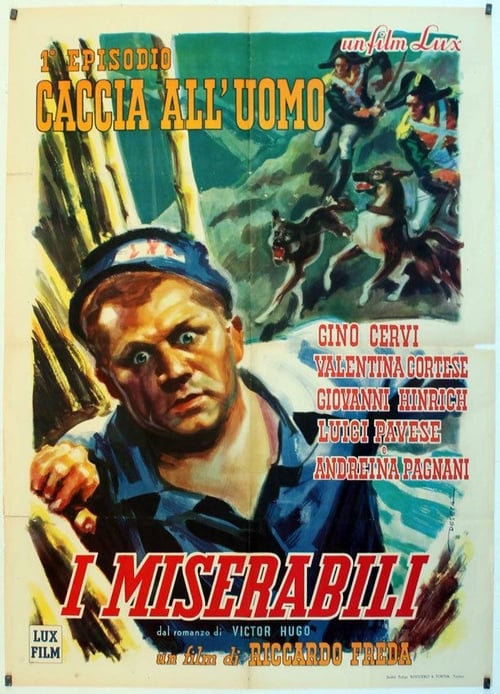
1948

1962
1934

1944
1978

1954
No reviews yet. Be the first to share your thoughts on this movie!
Use the rating form above to leave a star rating and optional review.