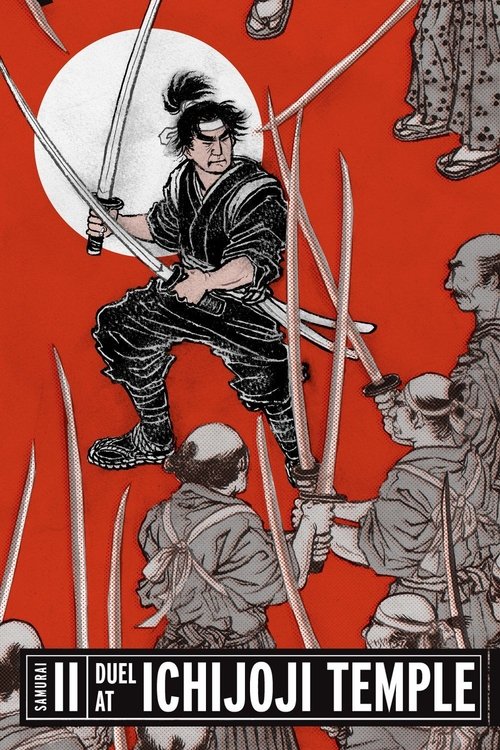
Samurai II: Duel at Ichijoji Temple
1955
No user ratings available yet
Representation score: 1.7 out of 10
Representation Score
Minimal
1954
Not RatedDirector
Hiroshi Inagaki
Runtime
94 minutes
Average Rating
No ratings yetNew Showbiz Analysis
Hiroshi Inagaki’s classic jidaigeki focuses on the martial and spiritual journey of Miyamoto Musashi. The film emphasizes historical authenticity and adherence to established social codes, prioritizing individual discipline over modern identity exploration. While the film showcases exceptional technical precision and narrative craftsmanship, it reinforces traditional social hierarchies rather than challenging them. The narrative structure highlights the rigid moral codes of the Edo period. Ultimately, the work exemplifies classical historical cinema, prioritizing the protagonist's integration into existing power structures rather than questioning them.
Category Breakdown
The film follows the socio-cultural norms of 17th-century Japan and does not depict any non-traditional gender identities or same-sex relationships.
The narrative centers around a rigid patriarchal structure where women play supporting roles in the pursuit of martial mastery.
The cast is ethnically uniform, focusing on Japanese history. It lacks multi-ethnic representation but maintains historical authenticity.
The story upholds the Bushido code and the master-student relationship, reinforcing traditional hierarchies without critique.
There are no significant depictions of disabilities in the narrative. Characters are primarily defined by their physical abilities and martial skills.
Present on Screen
Limited or Absent
Official Synopsis
Struggling to elevate himself from his low caste in 17th century Japan, Miyamoto trains to become a mighty samurai warrior.
1955

1956

1960
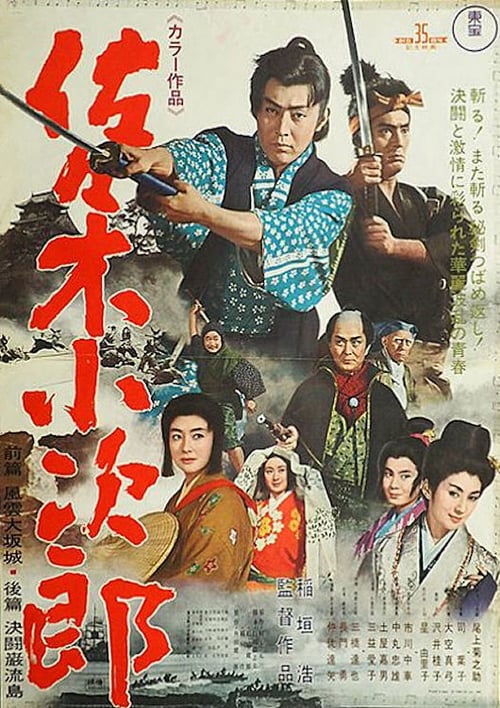
1967
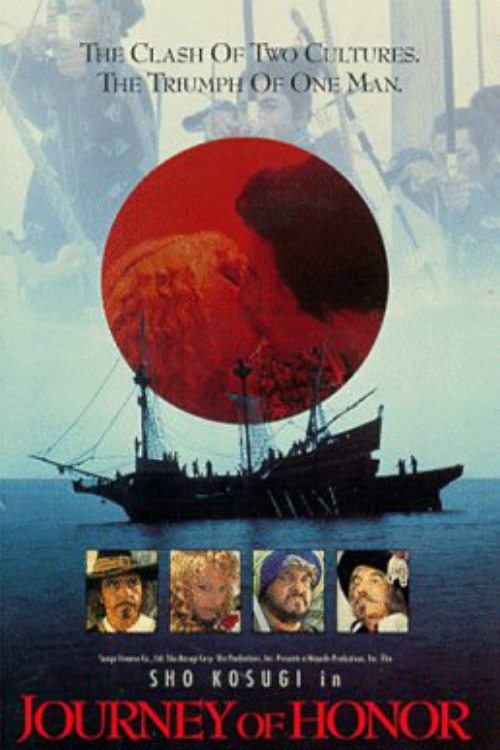
1991

1966
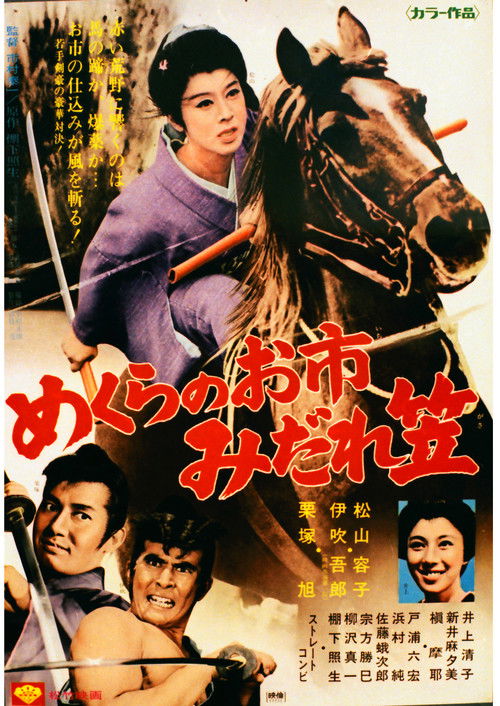
1969

1972
No reviews yet. Be the first to share your thoughts on this movie!
Use the rating form above to leave a star rating and optional review.