
The Two Musashis
1960
No user ratings available yet
Representation score: 3.1 out of 10
Representation Score
Excellent
1969
Director
Hirokazu Ichimura
Runtime
87 minutes
Average Rating
No ratings yetNew Showbiz Analysis
Hirokazu Ichimura’s film is a sophisticated deconstruction of traditional samurai clichés. It centers a female protagonist in a violent, high-stakes political landscape, effectively challenging gendered expectations of the era. The film excels in its thematic complexity, using a gritty urban setting to critique institutional stability and social order. It favors moral relativism over traditional morality, providing a nuanced look at individual alienation. However, the film lacks explicit representation regarding LGBTQ+ identities and disability. While it avoids traditional domesticity, it does not actively feature diverse identity-based narratives.
Category Breakdown
The film focuses on existential wandering and individual struggle. There are no explicit LGBTQ+ characters or same-sex intimacy within the narrative.
A female protagonist drives the action within a traditionally masculine samurai landscape. She acts as a high-stakes agent rather than a passive character.
The cast is culturally homogeneous, reflecting its Japanese period setting. The story explores alienation through socioeconomic friction rather than ethnic diversity.
The film prioritizes moral relativism and critiques established authority. It explores the breakdown of social order through a lens of social alienation.
The narrative focuses on psychological fragmentation. There are no characters with disabilities portrayed with ability to act.
Present on Screen
Limited or Absent
Official Synopsis
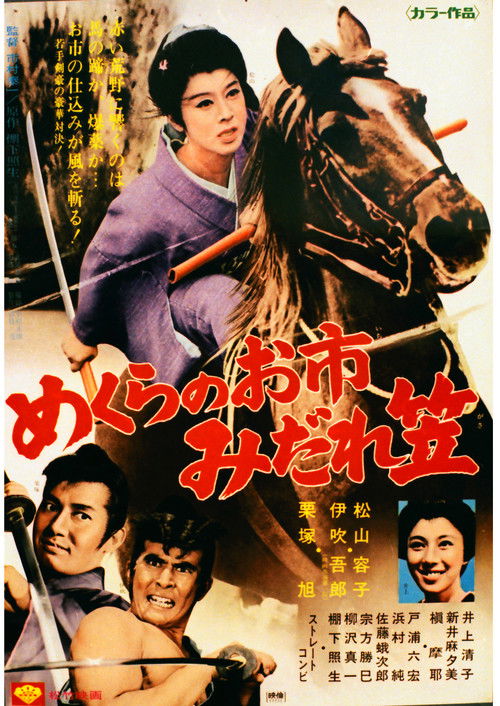
A young female samurai comes upon a dying messenger and agrees to deliver the scroll he was carrying to its destination. However, unbeknownst to her, the scroll is actually a formula for a new kind of gunpowder. An evil clan that is planning to overthrow the Emperor is also after the scroll, and they try to take it from her.
1960
1955
1969
1954
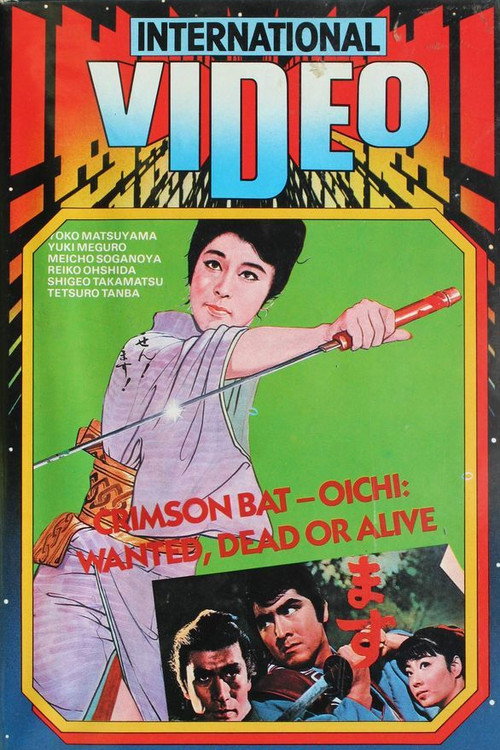
1970
1957
1959
1957
No reviews yet. Be the first to share your thoughts on this movie!
Use the rating form above to leave a star rating and optional review.